
Thirty-three reptile pages sound like a lot when they are mixed together. They are much easier to use once the gallery has an order: simple preschool pages first, then the rounder kawaii characters, then the pages with plants and scenery, and finally the one drawing that feels noticeably less cartoonish.
These are stylized coloring pages, not identification diagrams. Real crocodiles and alligators differ in features such as snout shape and visible teeth, but cartoon line art often exaggerates or ignores those differences. Here, difficulty and drawing style are more useful than the species label.
Choose the kind of crocodile or alligator page you want
| If you want… | Go to | Best tool |
|---|---|---|
| Simple preschool pages | Sheets 1–16 | Crayons |
| Cute baby and kawaii characters | Sheets 17–25 | Crayons or pencils |
| Plants, sky and scenery | Sheets 26–32 | Colored pencils |
| A less cartoonish reptile | Sheet 33 | Pencils or light markers |
How to color a crocodile or alligator without making it one dark green shape
Start with the belly. Make it lighter than the back before you do anything else. Then use a medium olive, moss green, gray-green or muted brown over the top of the head, back and tail. Add the darkest color only where the legs meet the body, under the jaw and between a few scale rows. That small value change does more for the drawing than using five different greens.
You also do not need to color every scale individually. On highly simplified pages, a few darker patches along the spine suggest texture without making the page busy. On cartoon pages, there is no reason to stay natural at all—blue, yellow, purple or patterned scales work perfectly well.
Water and background colors matter more than you might expect
If the reptile is green and the plants are also green, the animal can disappear into the page. One easy fix is to keep the animal warm—olive or yellow-green—and use cooler blue-greens in the water or foliage. Another is to leave a thin white edge around the body instead of coloring right up against it.
A simple five-step coloring order
- Choose the body color and a lighter belly color.
- Color the eyes, mouth and teeth before the darkest scales.
- Add the main body tone.
- Use the darkest shade only in a few shadow areas.
- Finish the water, plants, stars or clouds last.
Open the full-size image before printing. For A4/Letter setup, cropping and marker-friendly paper, use the coloring-page printing guide.
Simple crocodile and alligator pages — Sheets 1–16
These are the cleanest preschool-friendly pages in the collection. The reptile stays large, the background is minimal, and most of the spaces are comfortable with crayons.
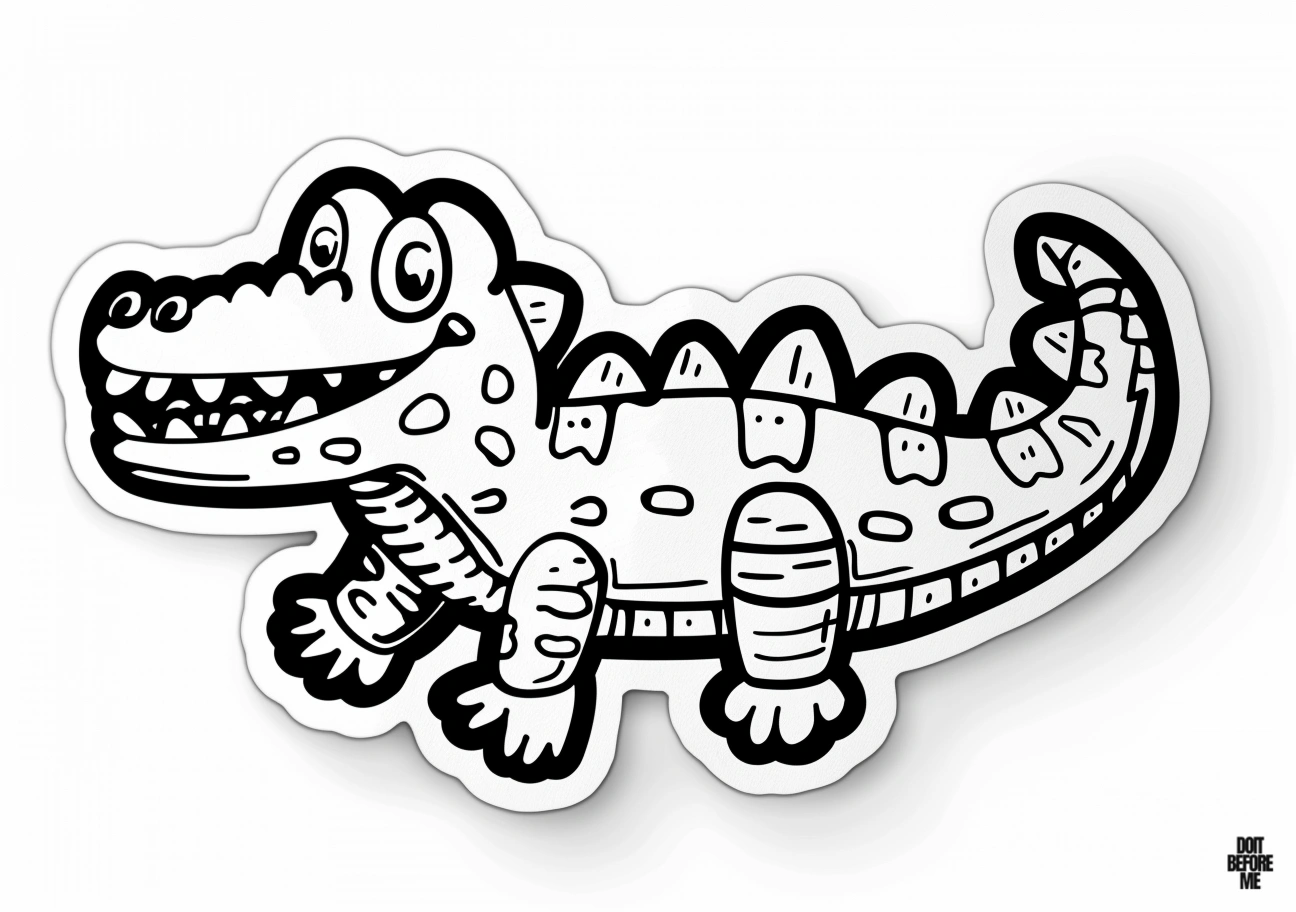
Open full-size crocodile and alligator coloring sheet 1
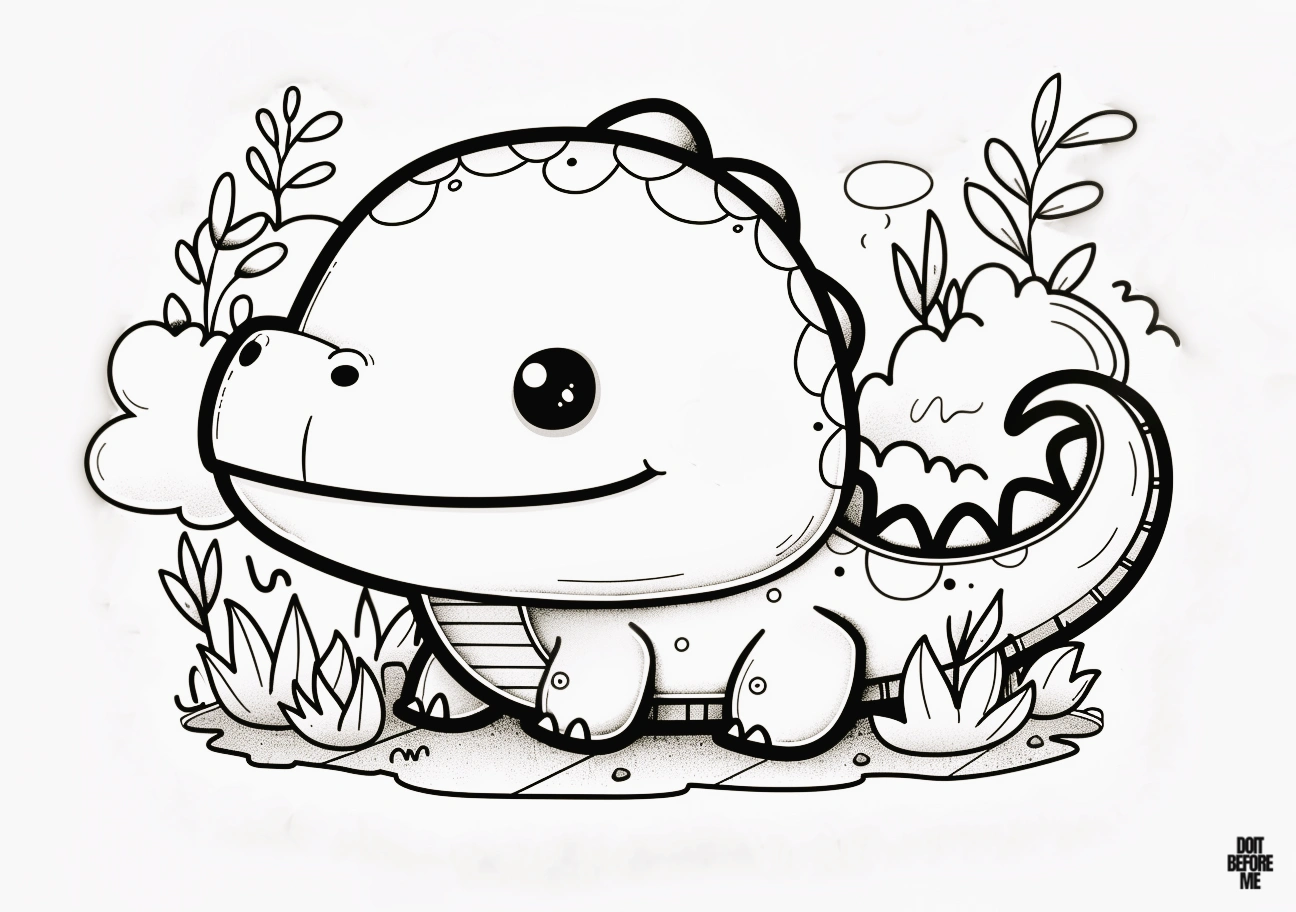
Open full-size crocodile and alligator coloring sheet 2
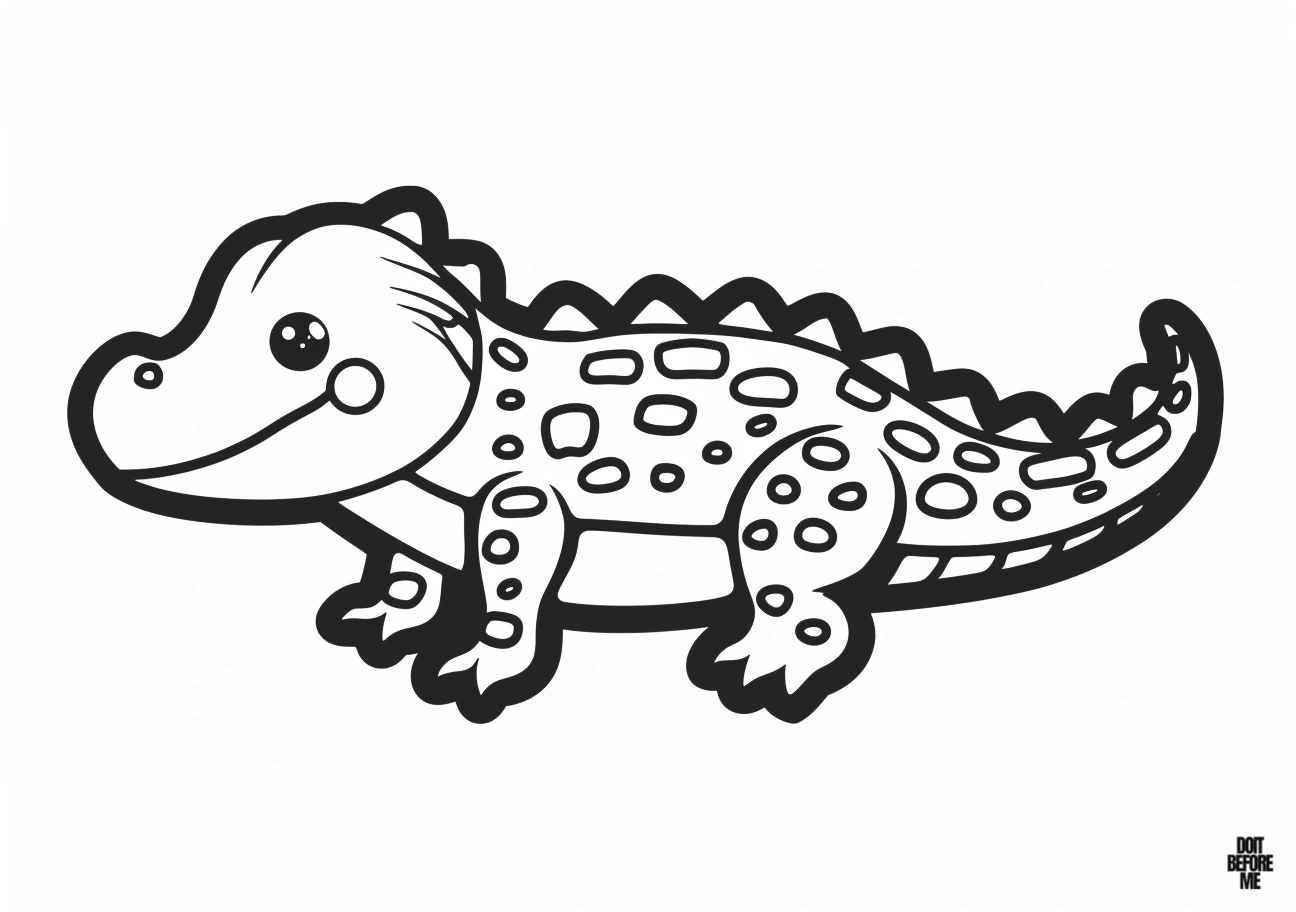
Open full-size crocodile and alligator coloring sheet 3
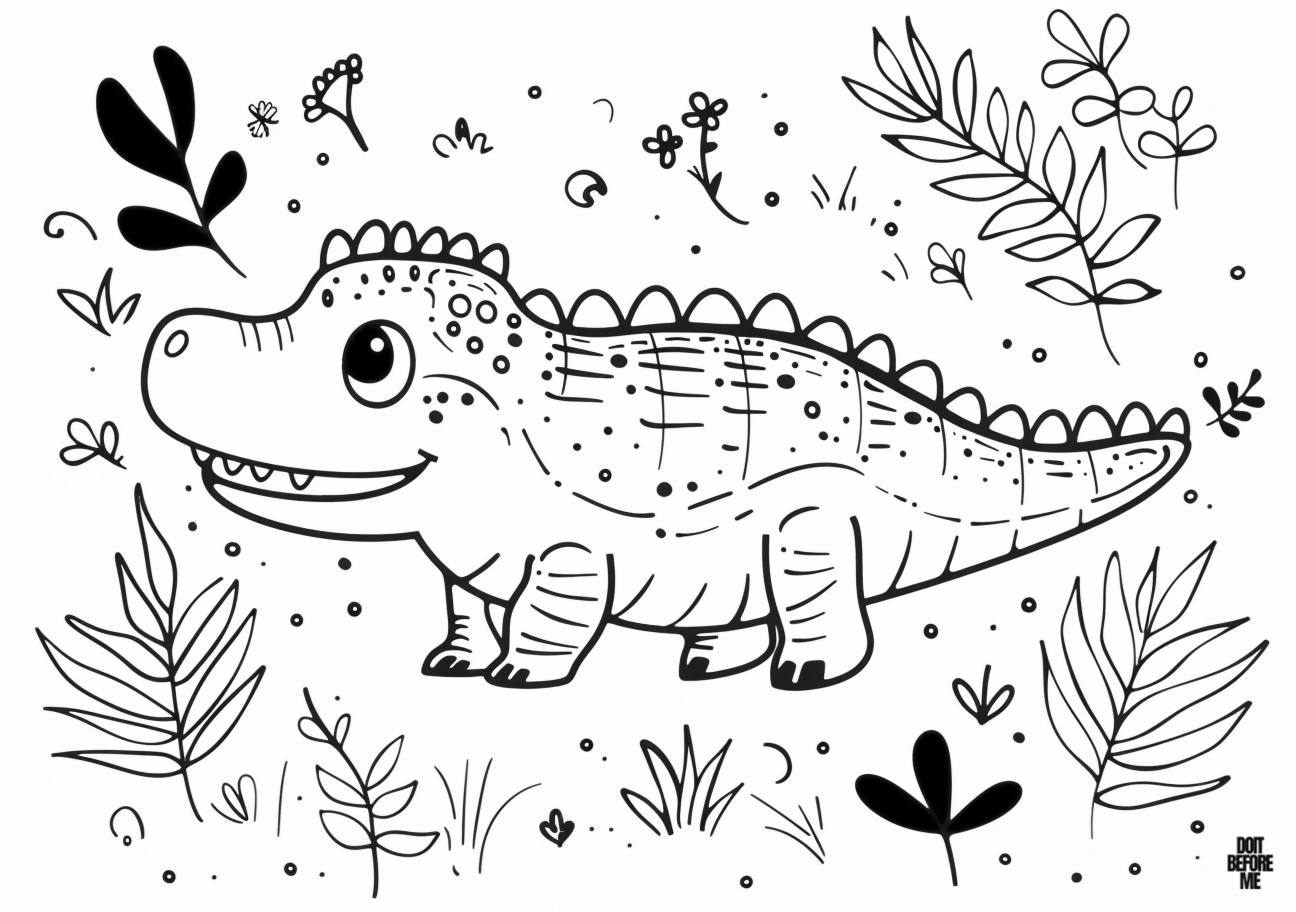
Open full-size crocodile and alligator coloring sheet 4
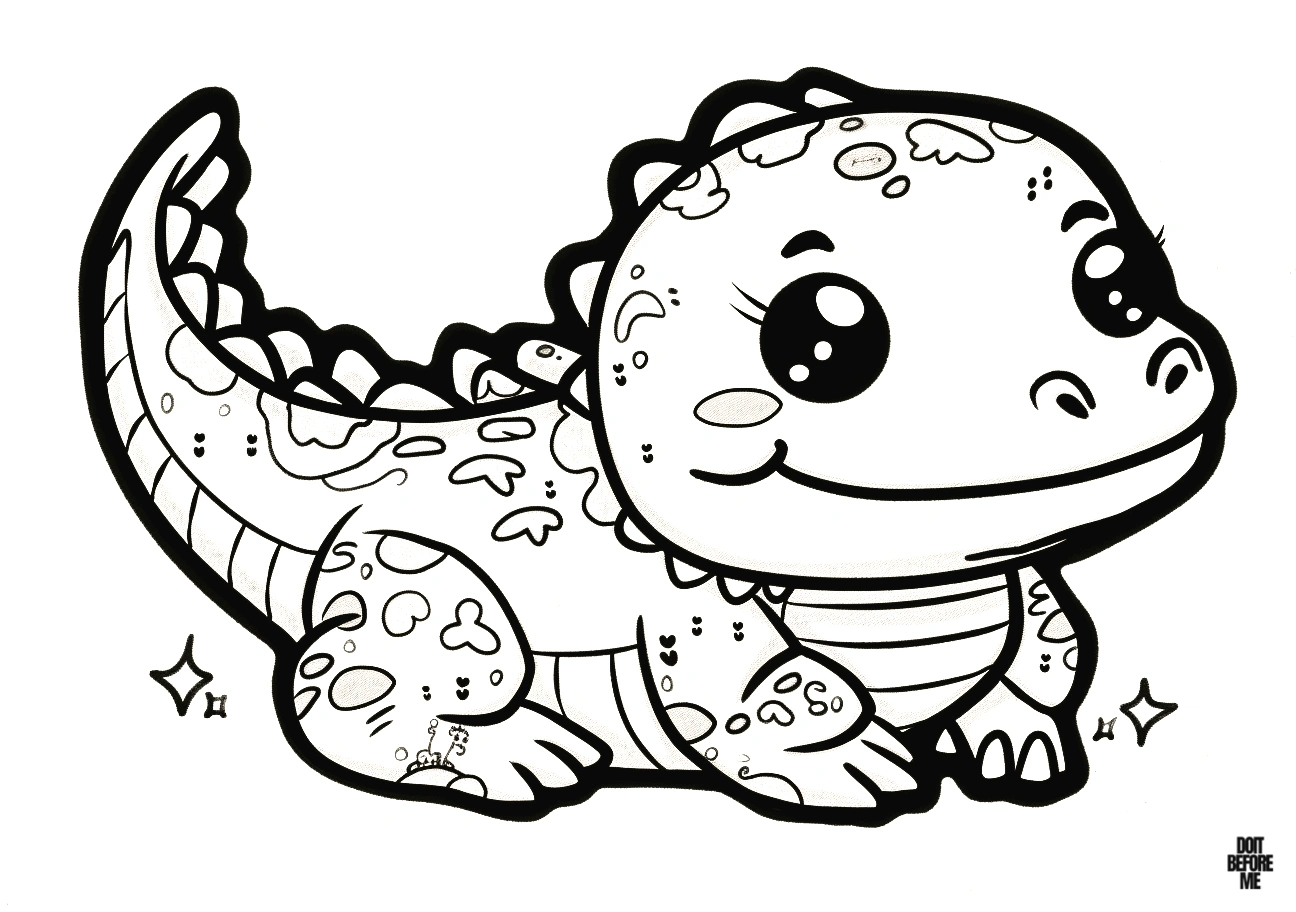
Open full-size crocodile and alligator coloring sheet 5
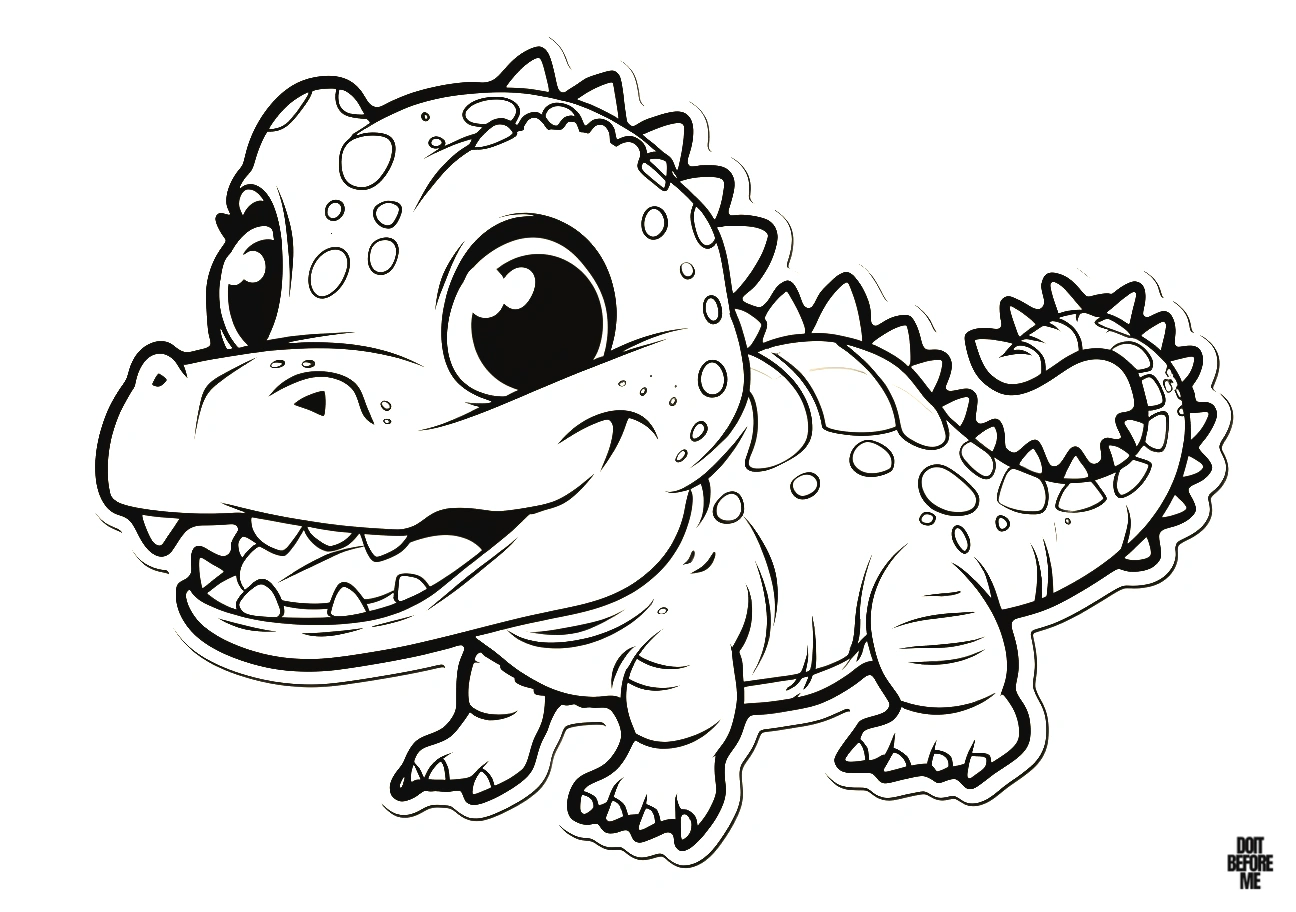
Open full-size crocodile and alligator coloring sheet 6
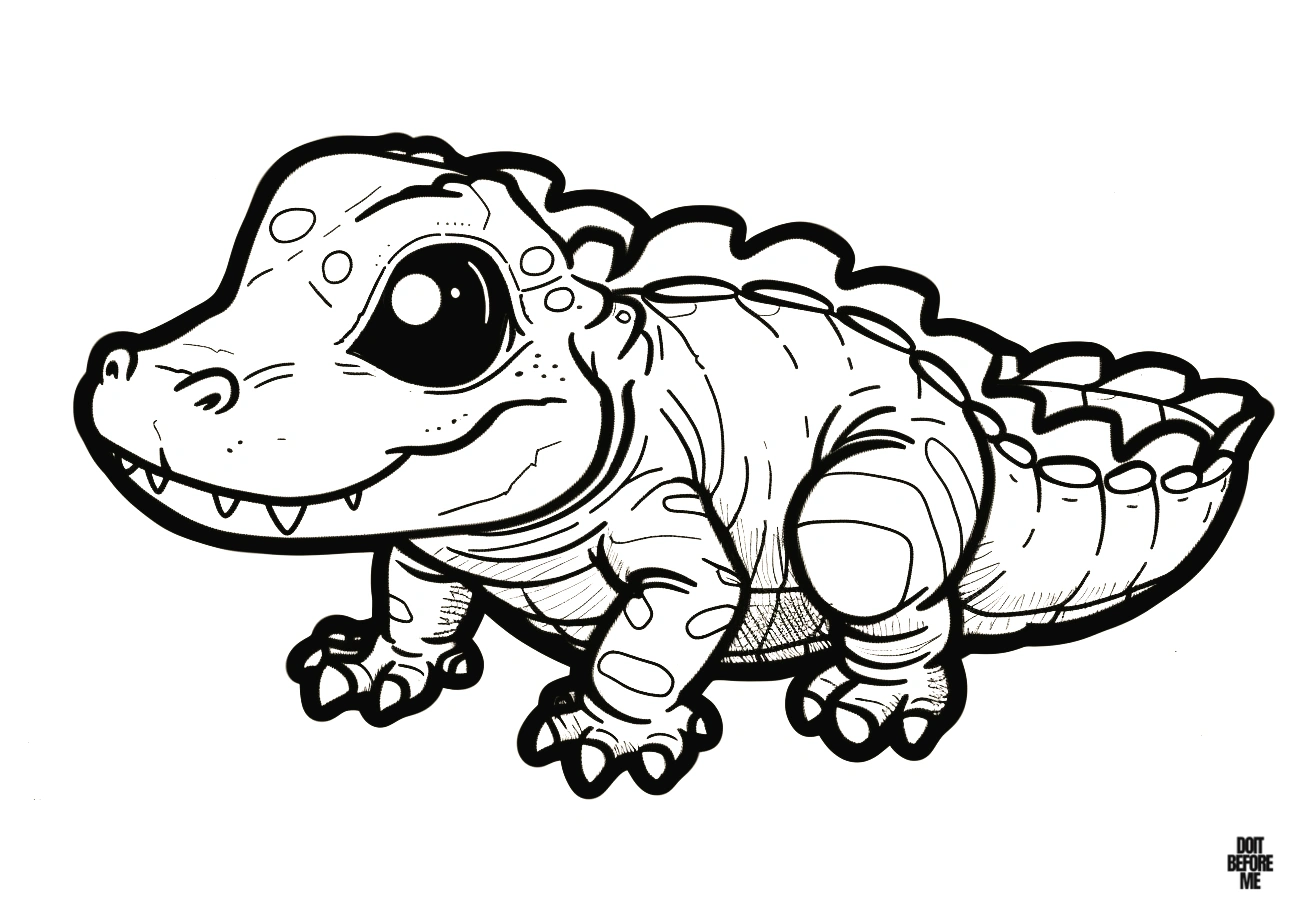
Open full-size crocodile and alligator coloring sheet 7
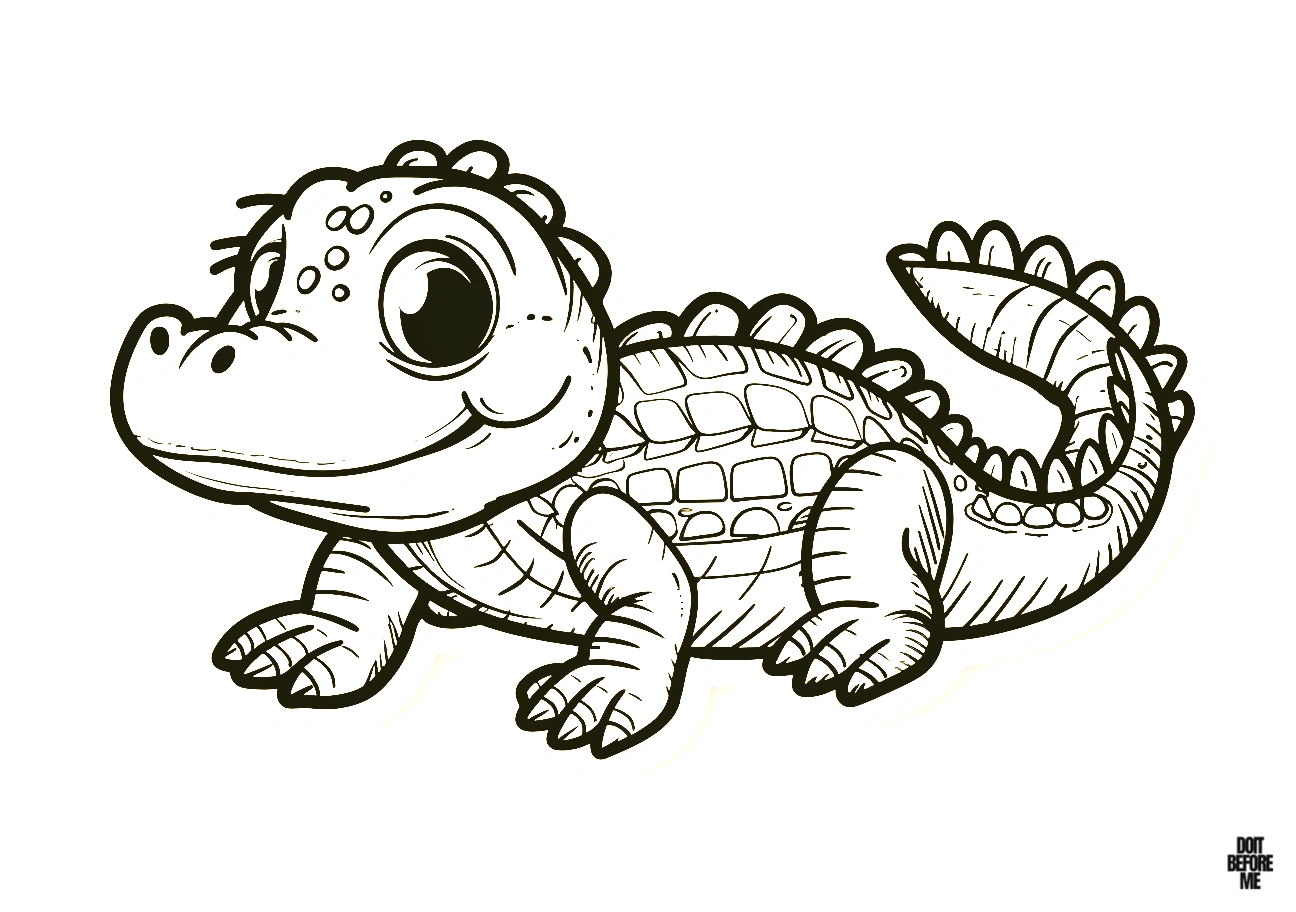
Open full-size crocodile and alligator coloring sheet 8
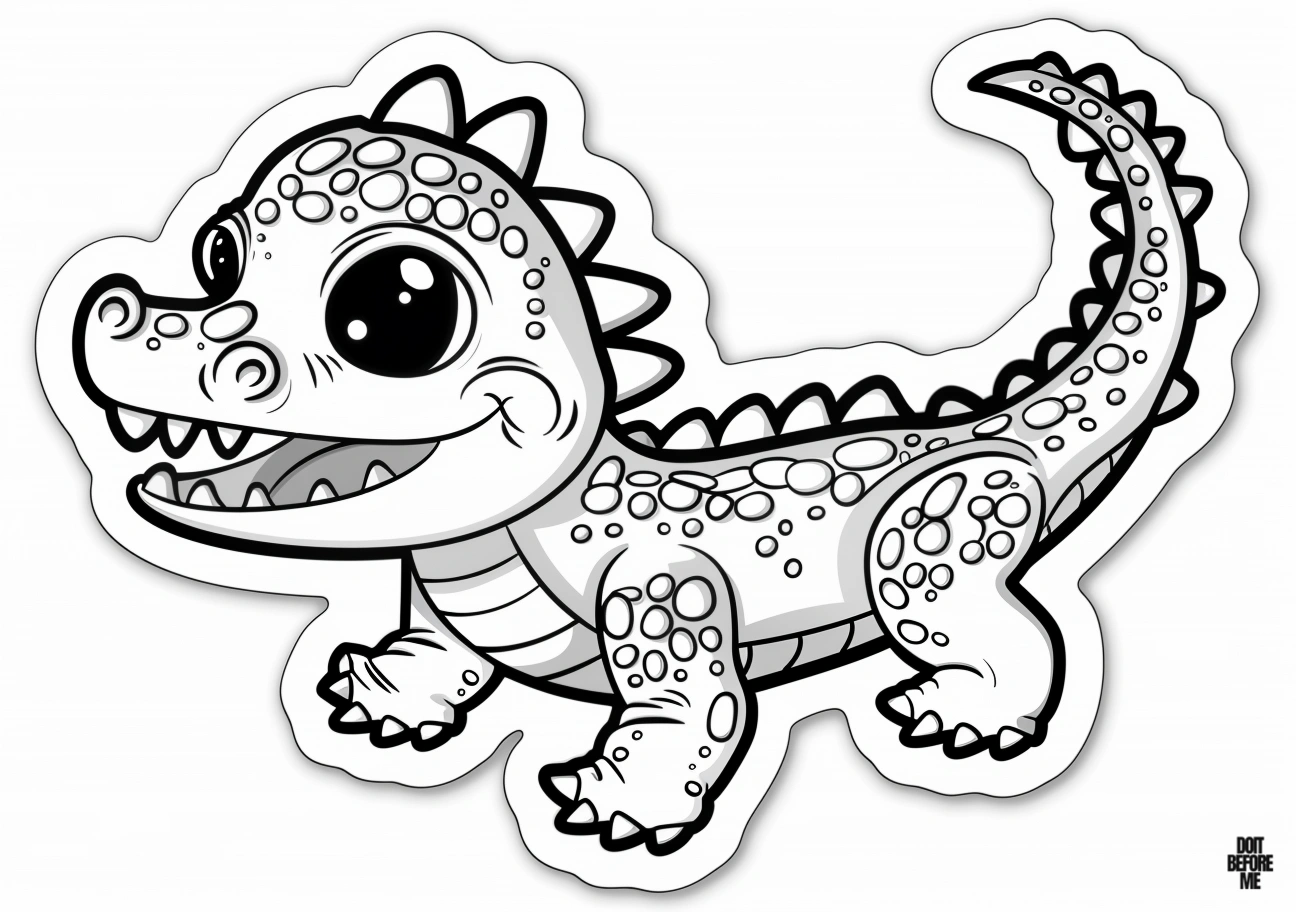
Open full-size crocodile and alligator coloring sheet 9
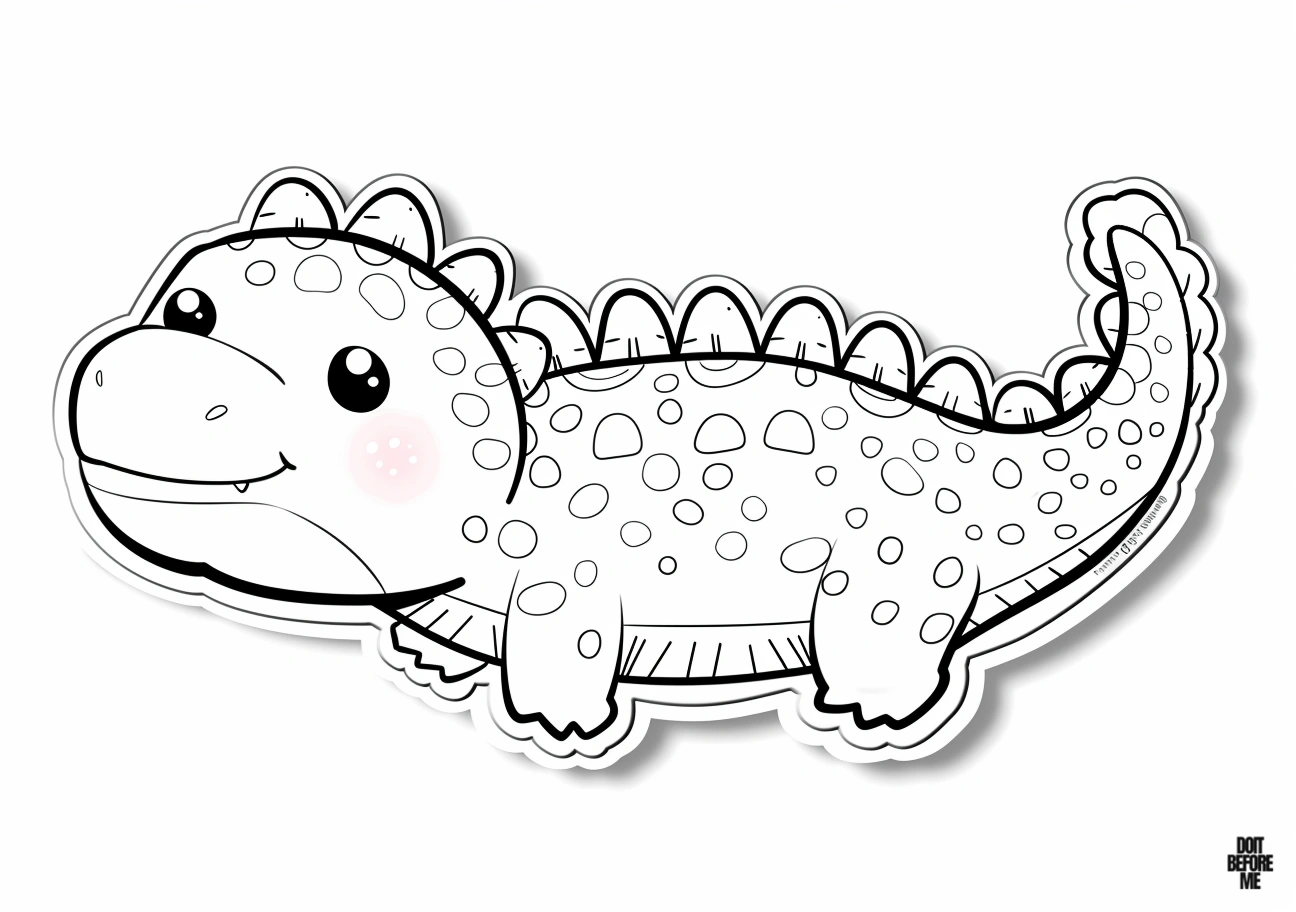
Open full-size crocodile and alligator coloring sheet 10
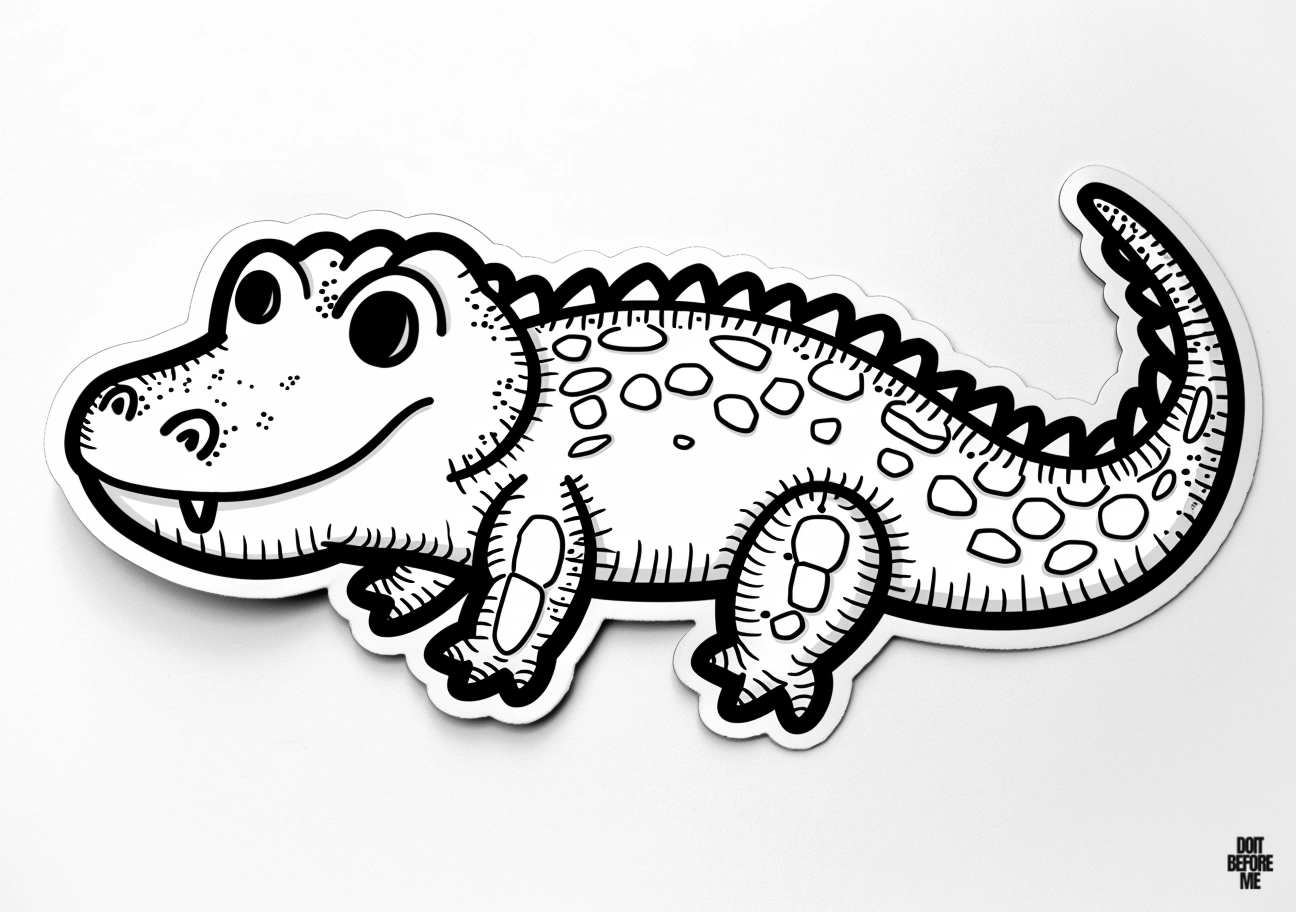
Open full-size crocodile and alligator coloring sheet 11
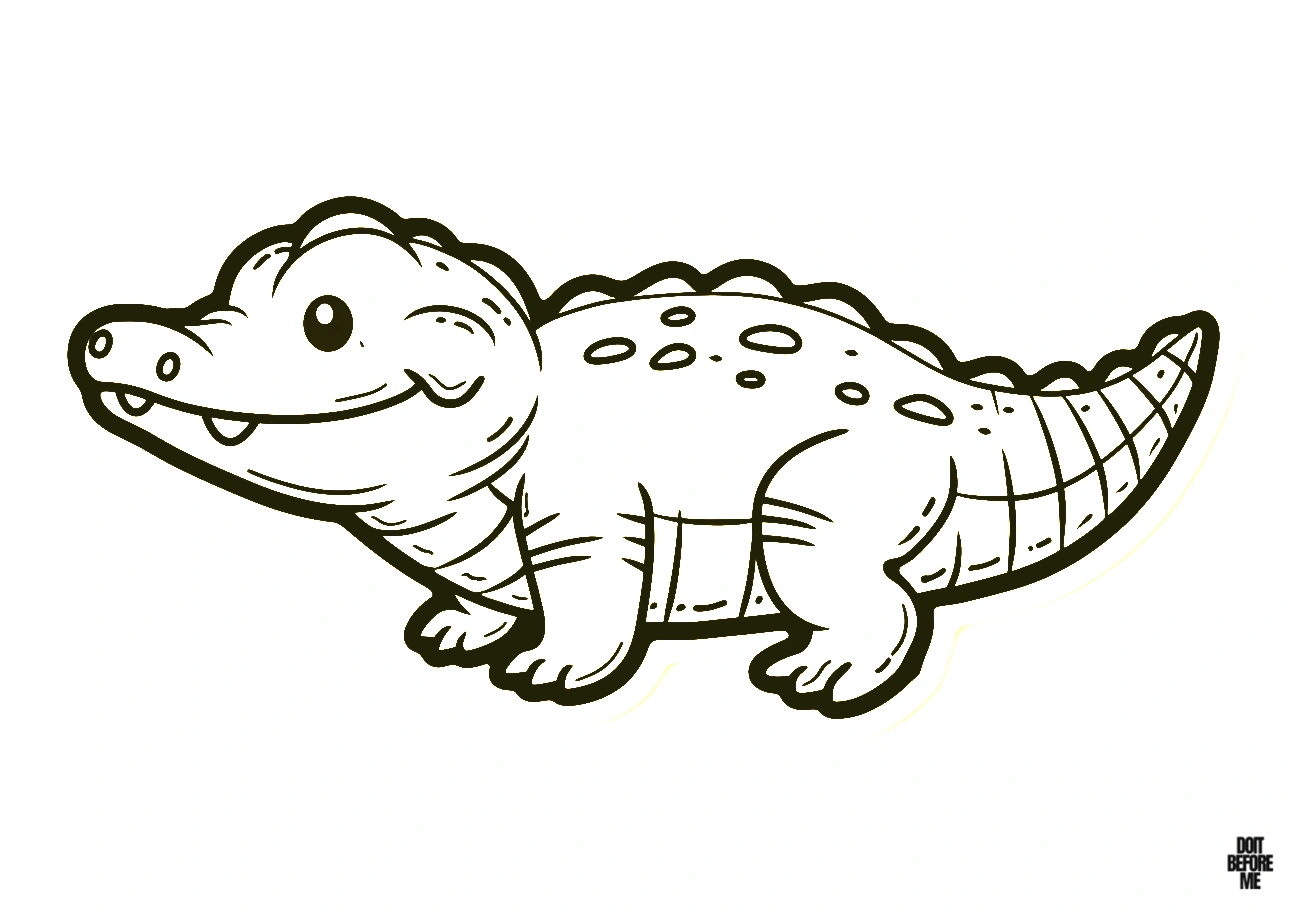
Open full-size crocodile and alligator coloring sheet 12
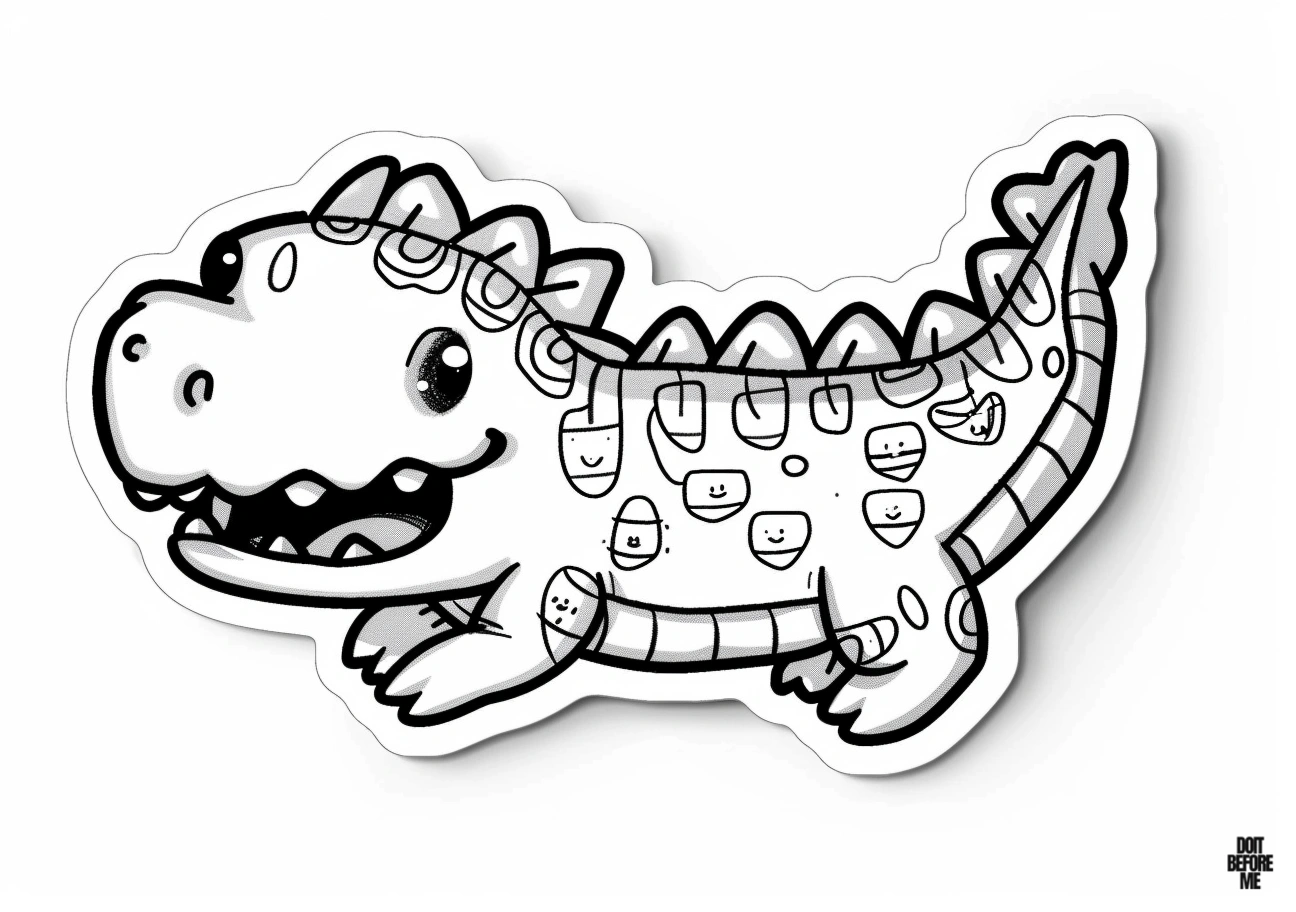
Open full-size crocodile and alligator coloring sheet 13
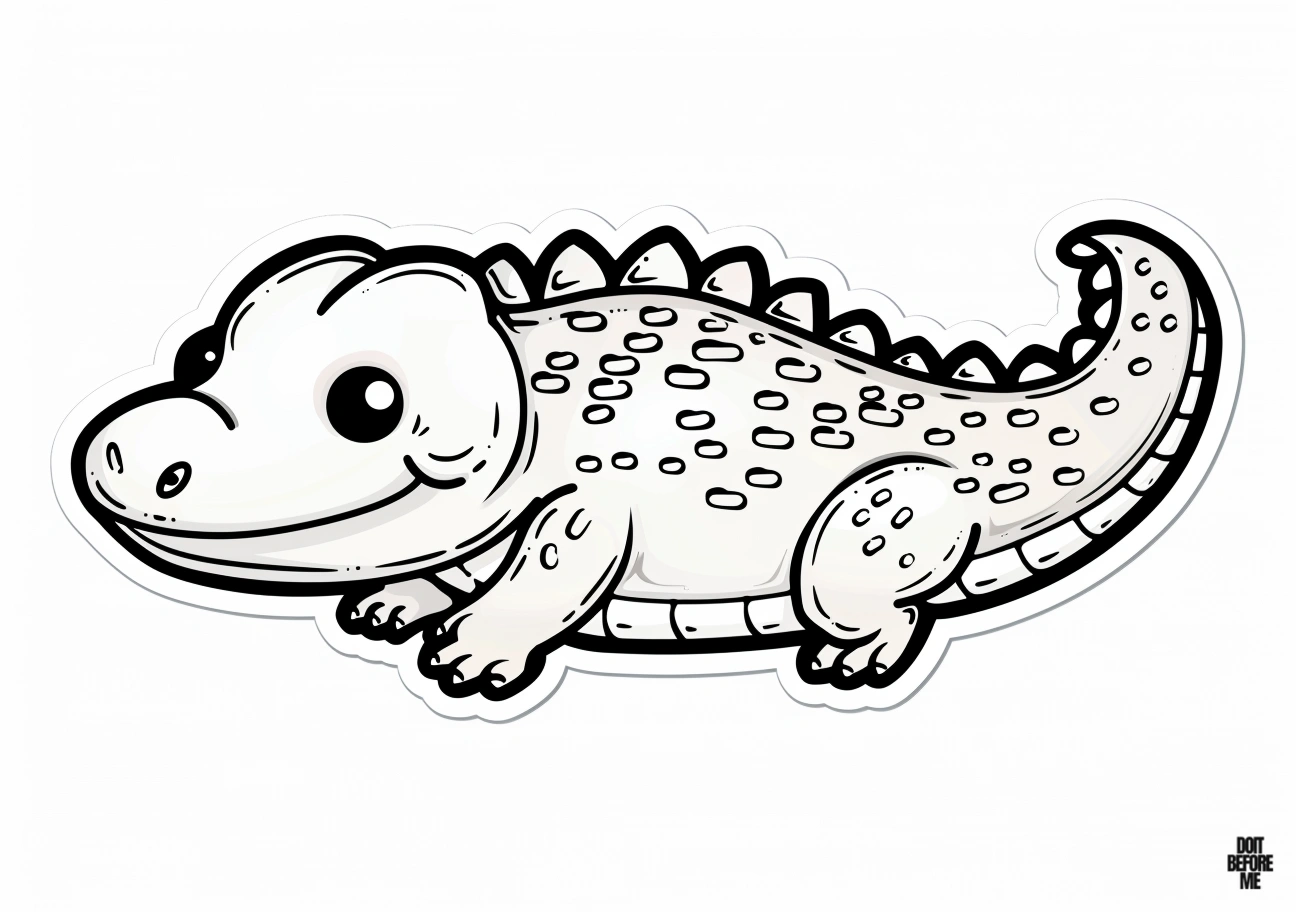
Open full-size crocodile and alligator coloring sheet 14
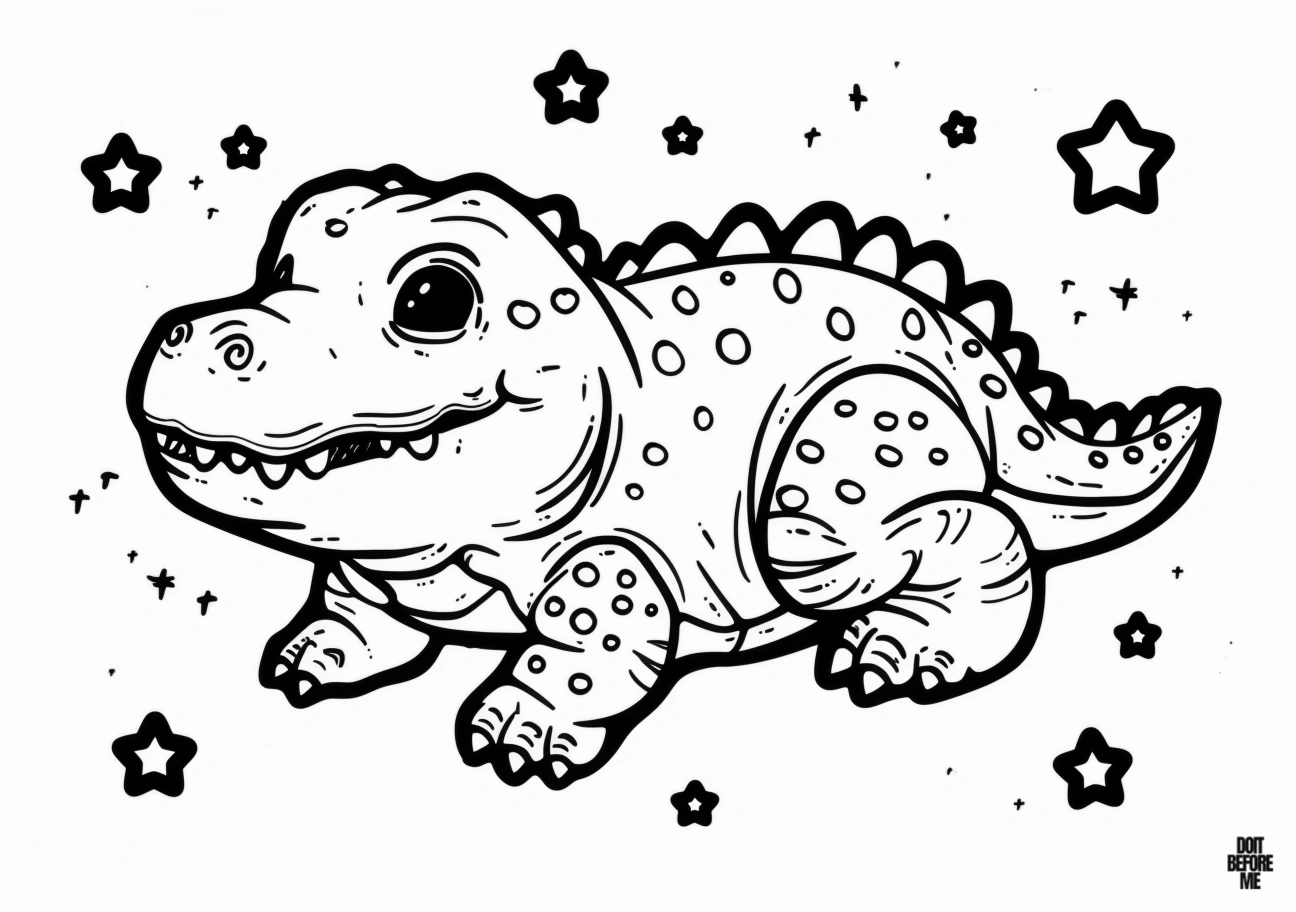
Open full-size crocodile and alligator coloring sheet 15
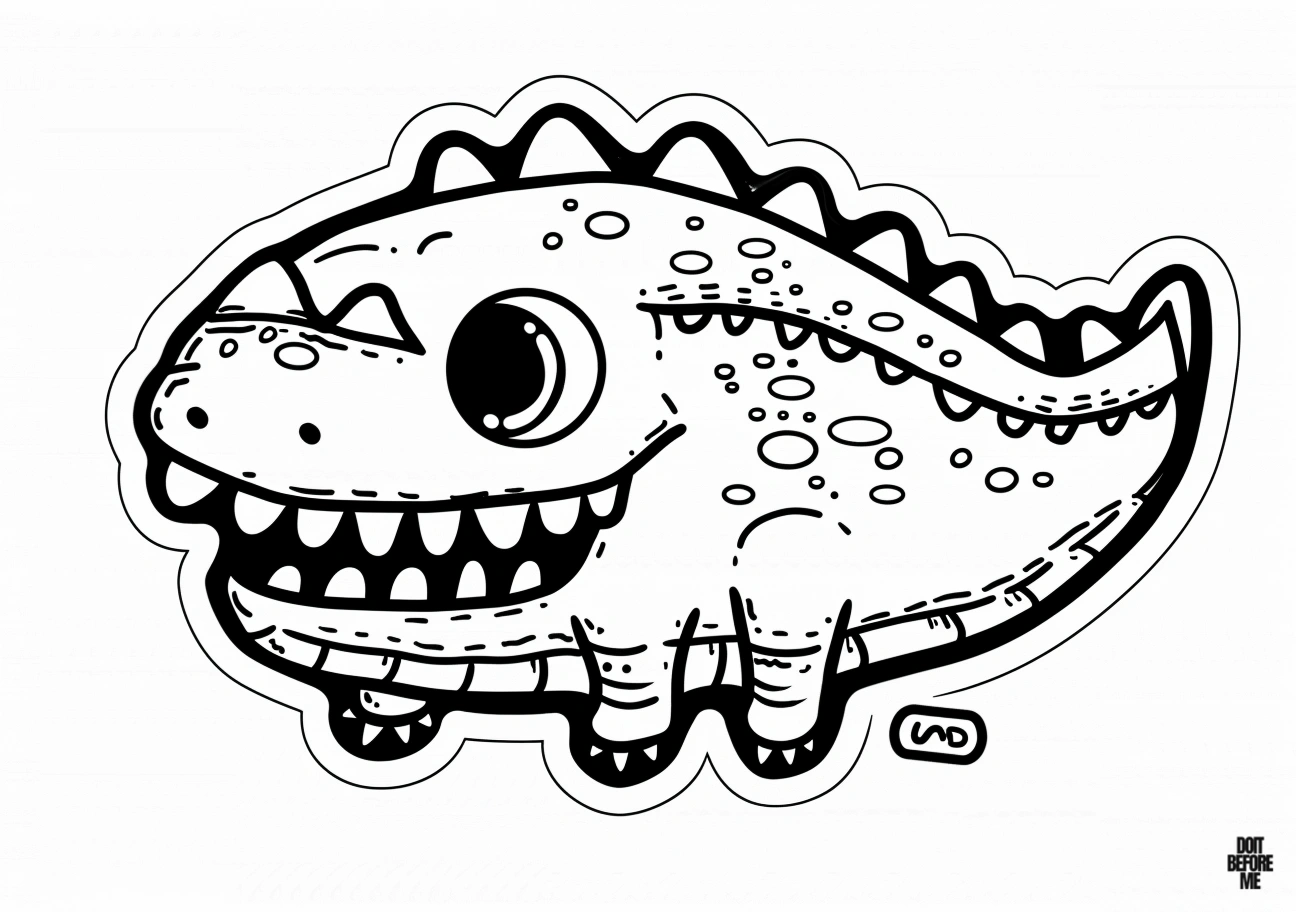
Open full-size crocodile and alligator coloring sheet 16
Cute and kawaii reptile characters — Sheets 17–25
These pages lean into expressions and personality. Color the eyes and mouth first, then keep the body relatively simple. A pale body tone with a few darker ridges is often enough.
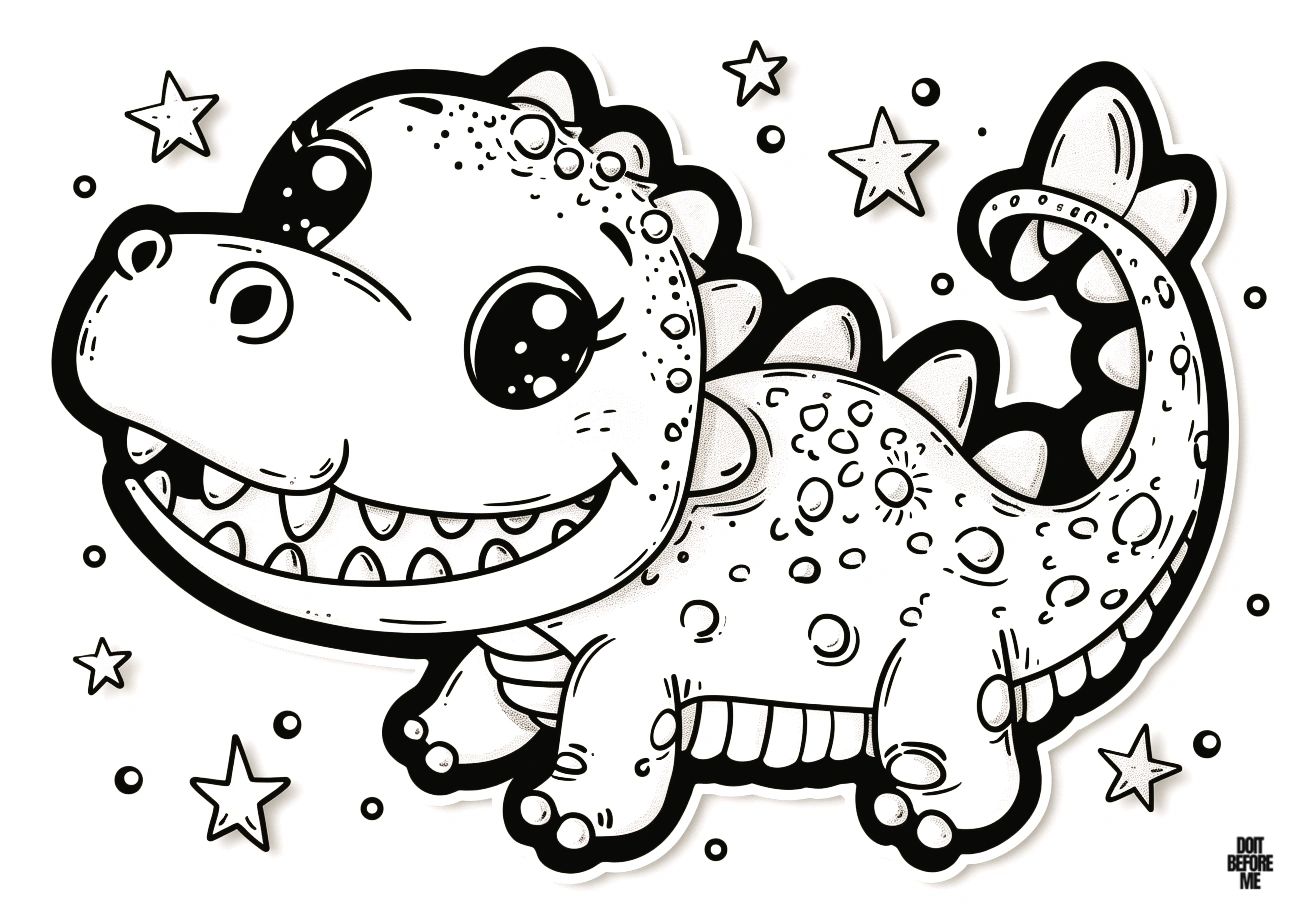
Open full-size crocodile and alligator coloring sheet 17
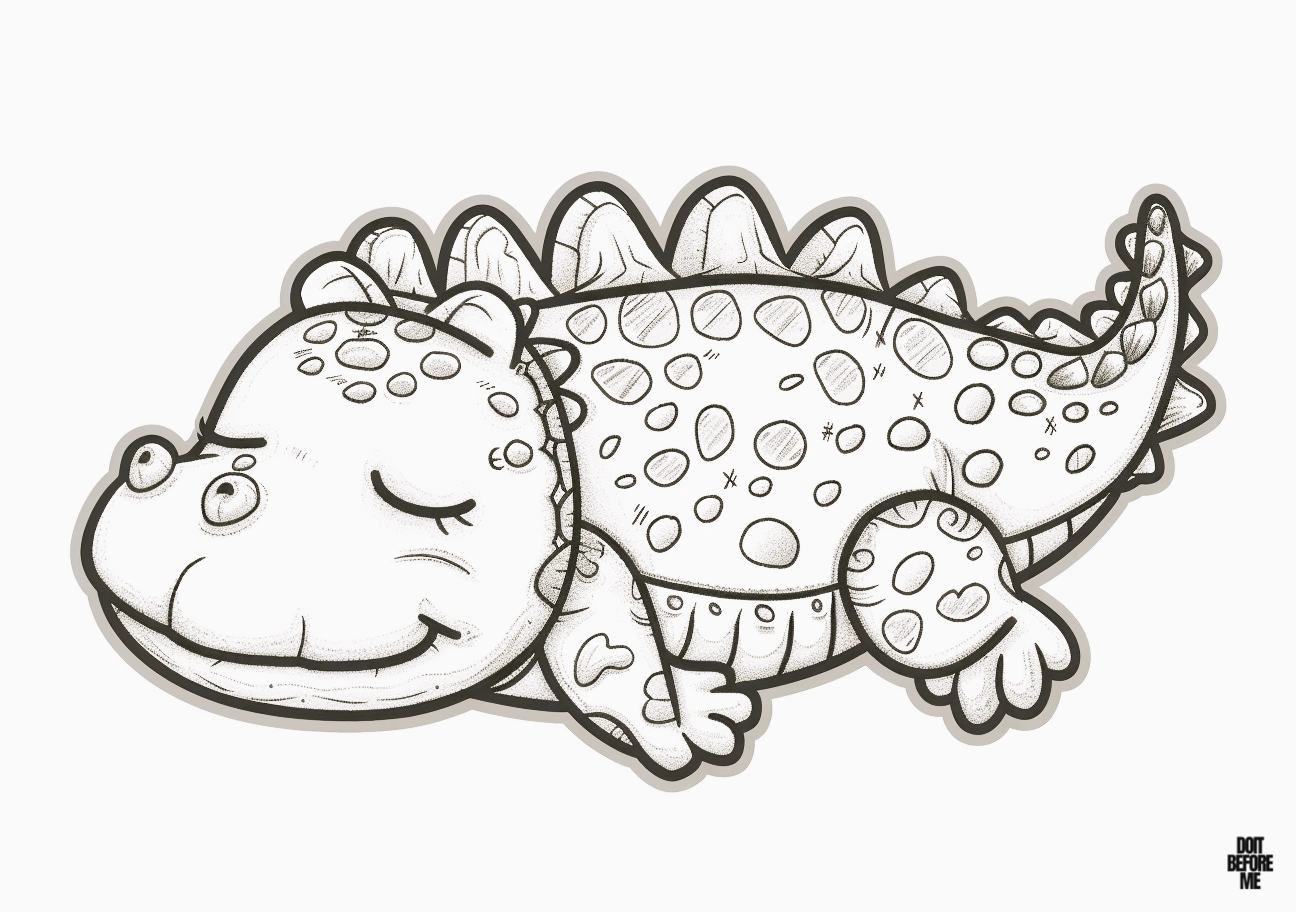
Open full-size crocodile and alligator coloring sheet 18
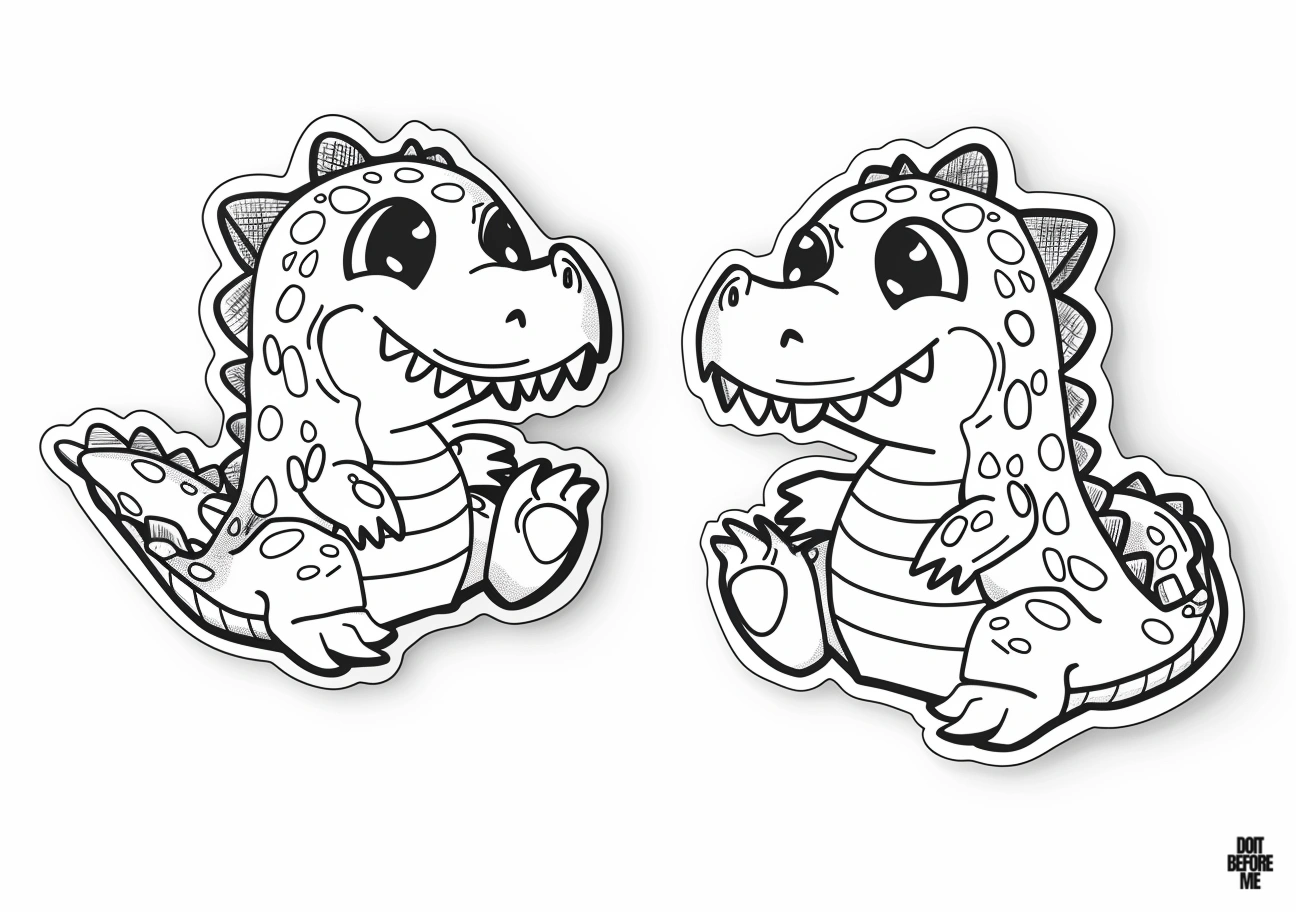
Open full-size crocodile and alligator coloring sheet 19
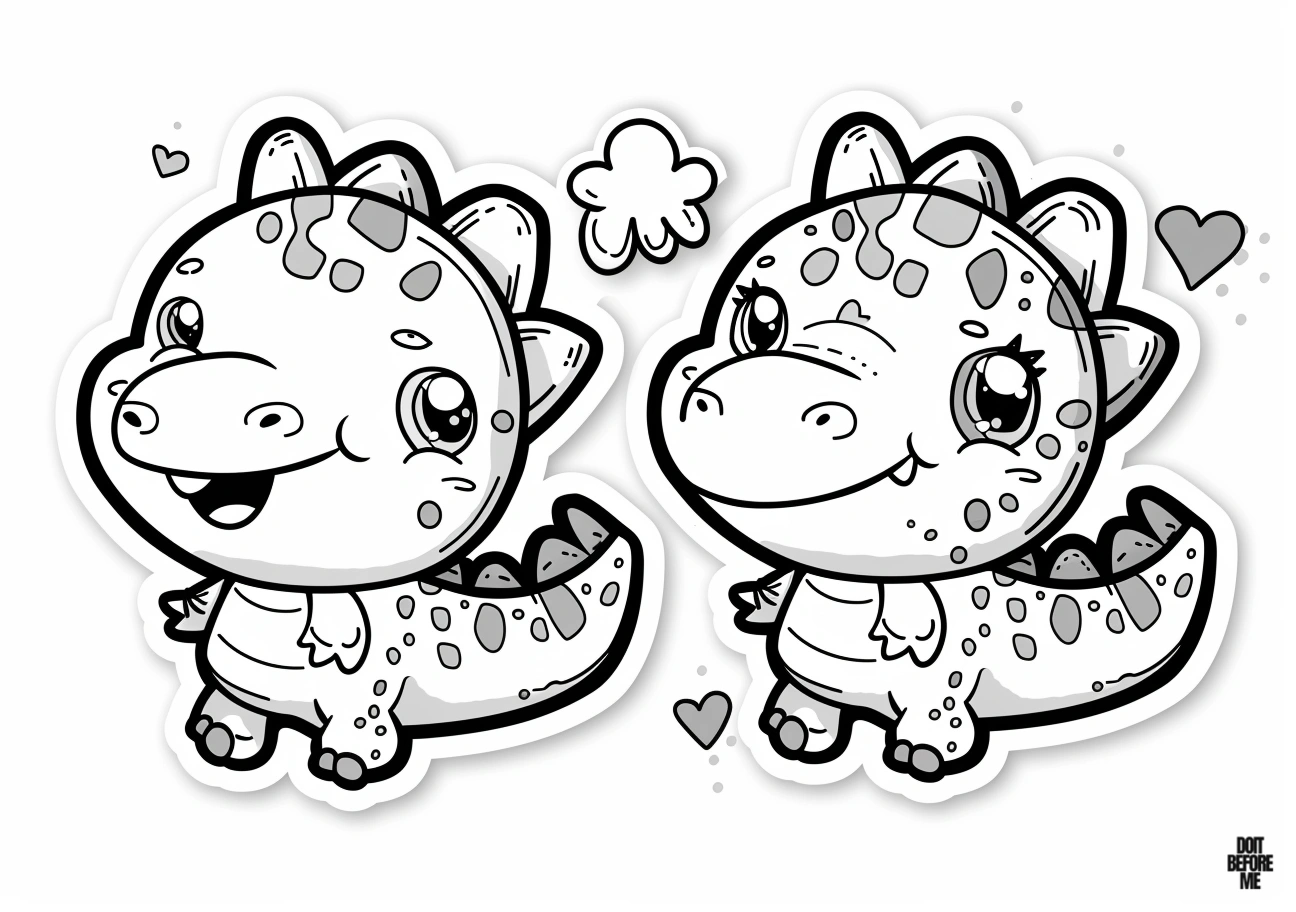
Open full-size crocodile and alligator coloring sheet 20
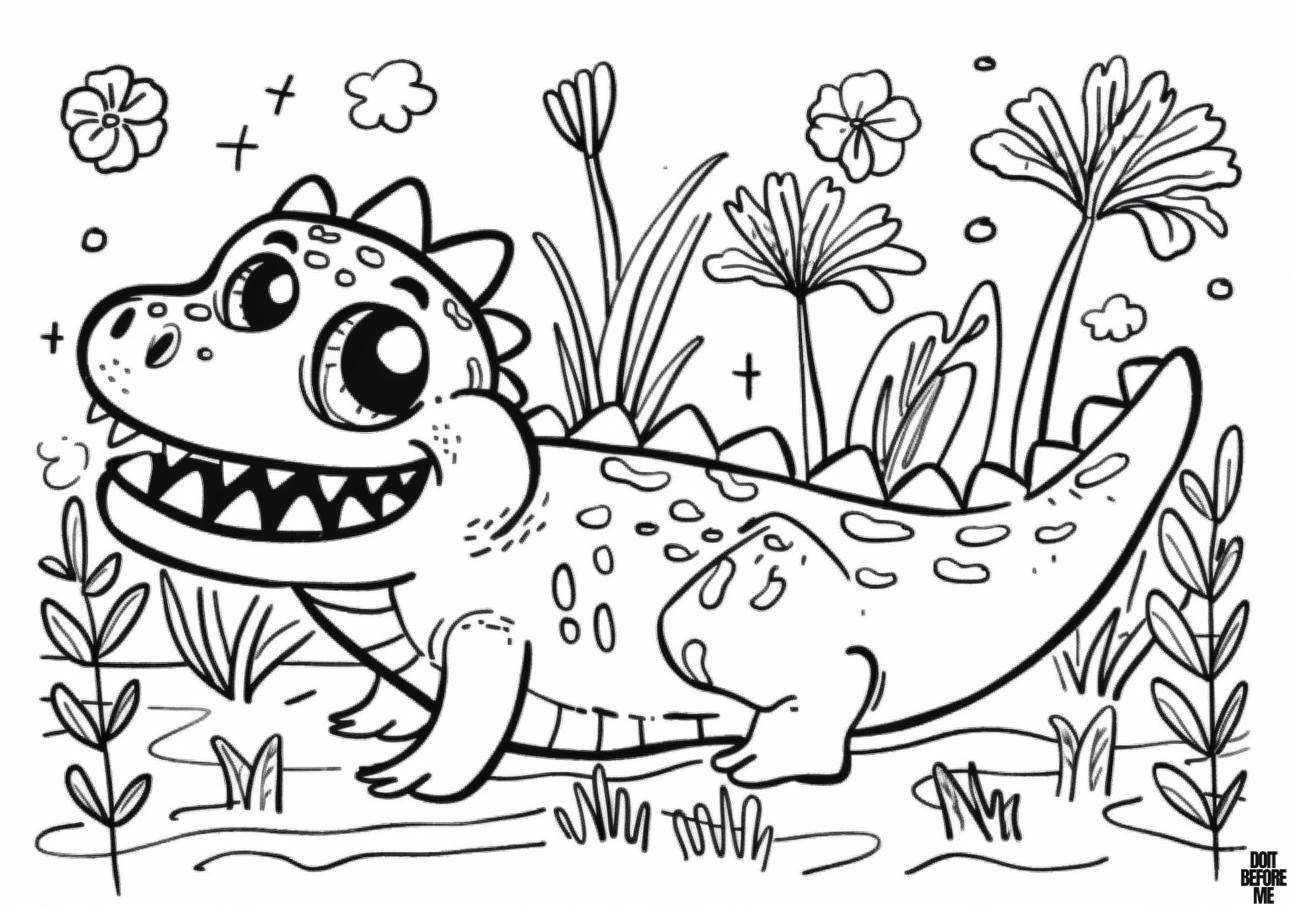
Open full-size crocodile and alligator coloring sheet 21
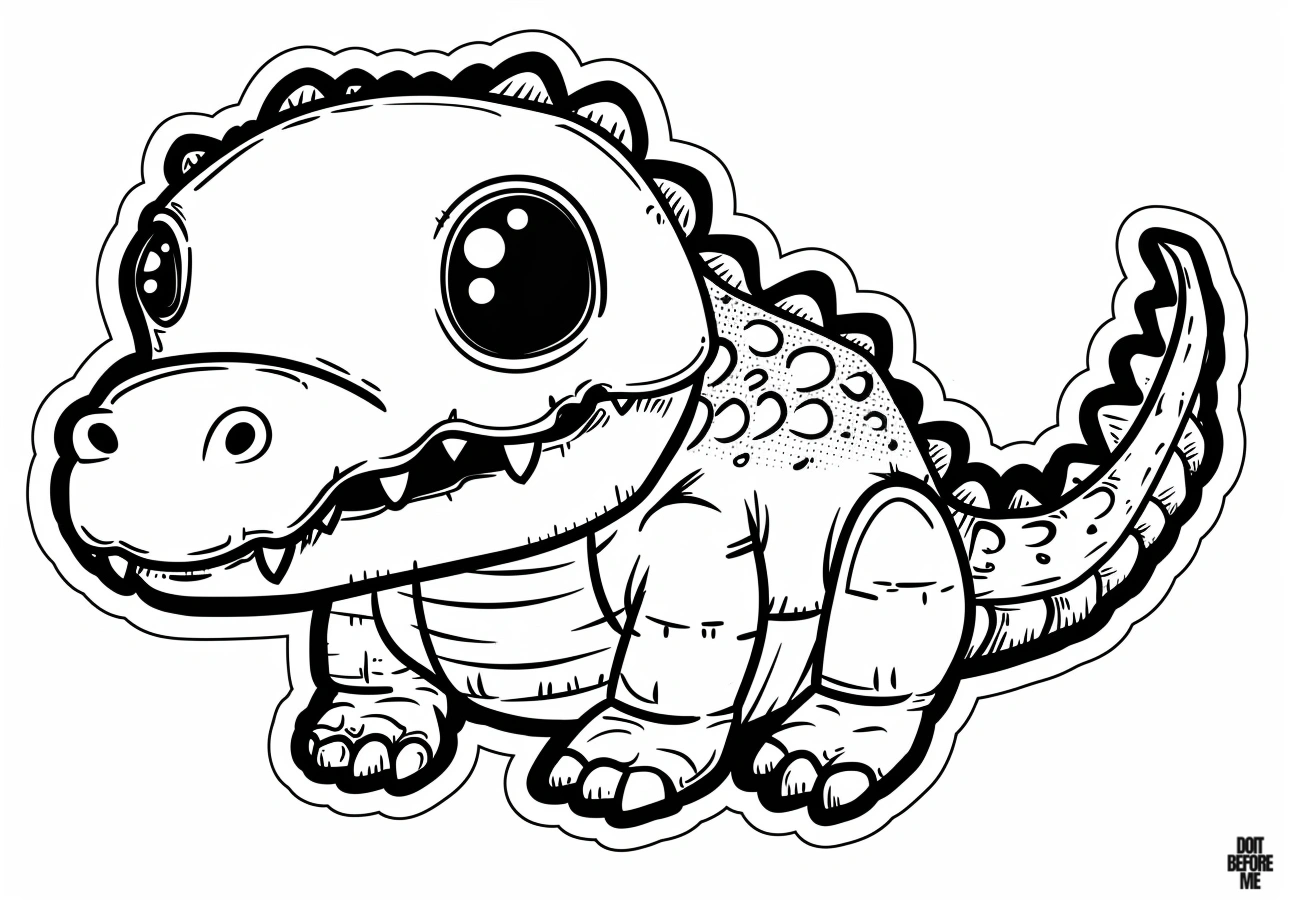
Open full-size crocodile and alligator coloring sheet 22
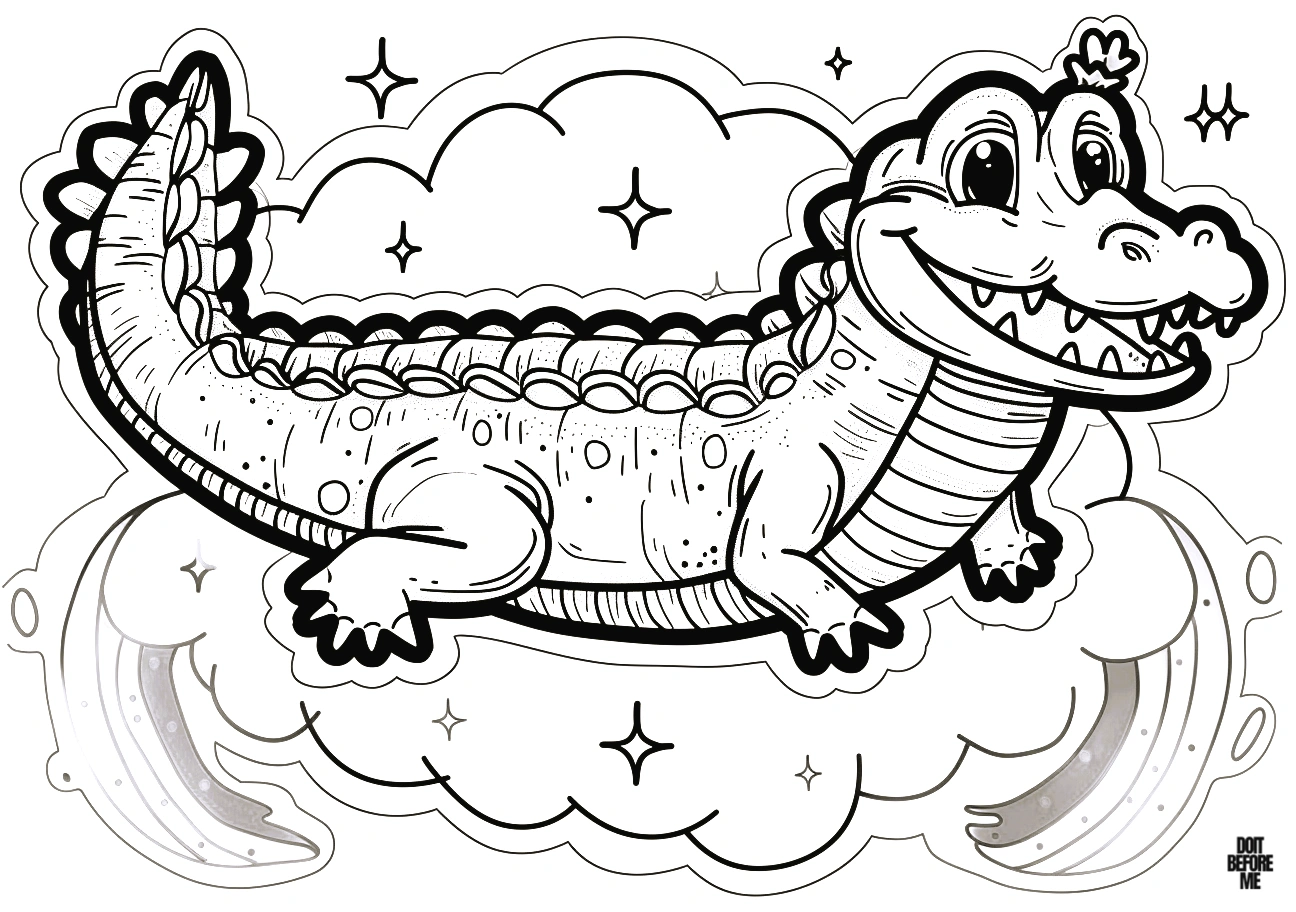
Open full-size crocodile and alligator coloring sheet 23
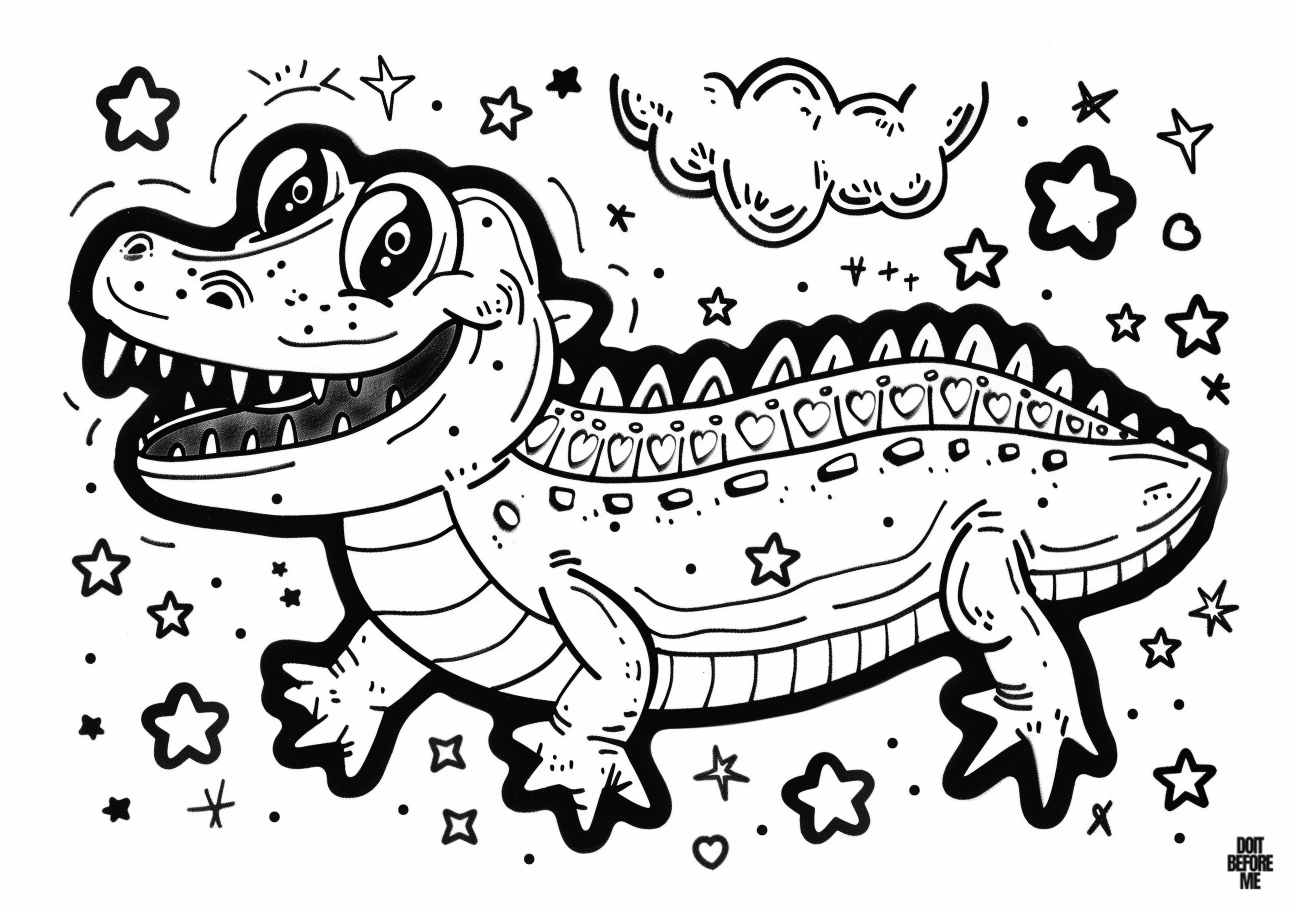
Open full-size crocodile and alligator coloring sheet 24
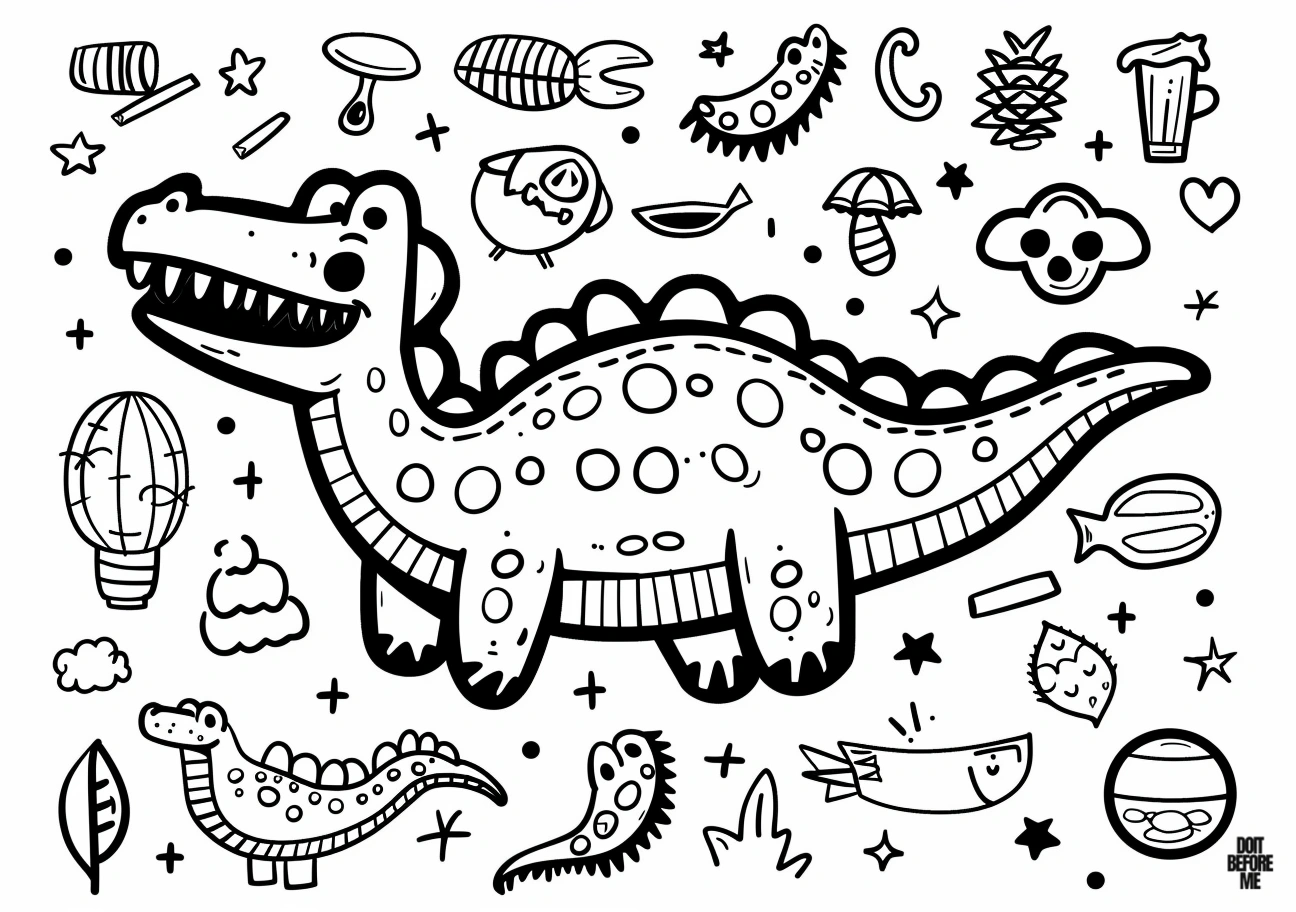
Open full-size crocodile and alligator coloring sheet 25
Crocodiles and alligators with scenery — Sheets 26–32
These pages take longer because the animal is no longer the only job. Keep the reptile in one green family and use a different value or temperature for the plants so the body does not disappear into the background.
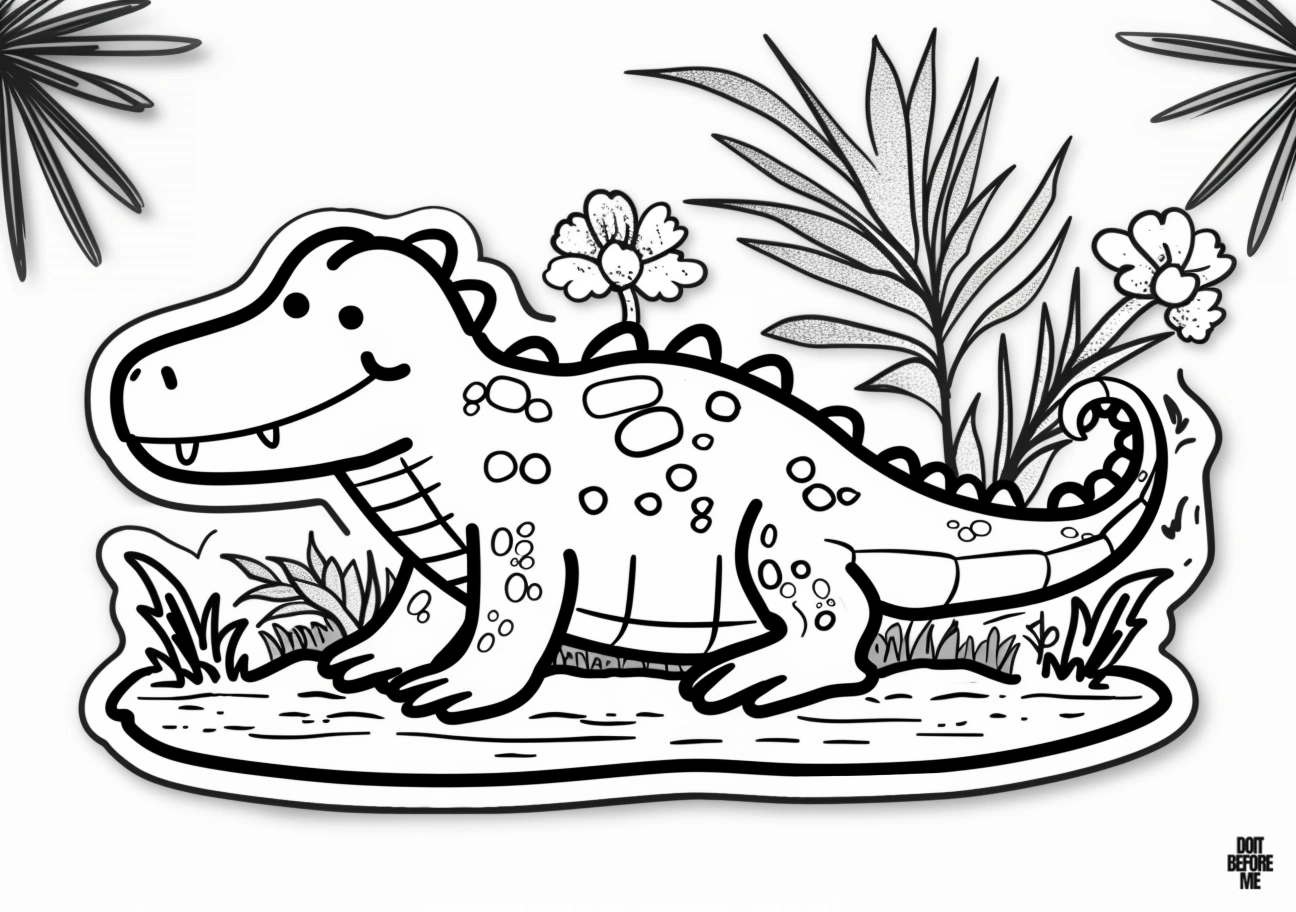
Open full-size crocodile and alligator coloring sheet 26
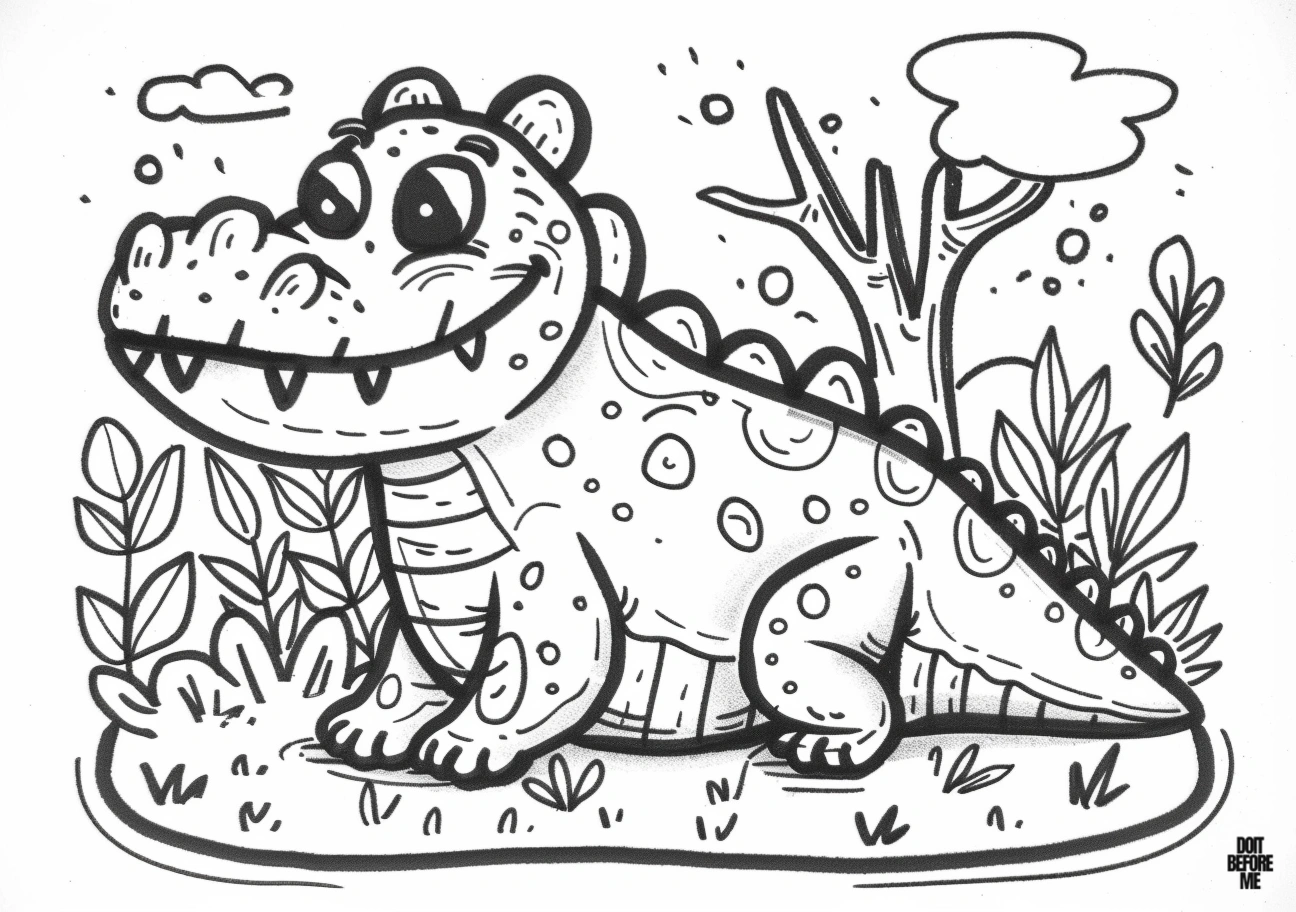
Open full-size crocodile and alligator coloring sheet 27
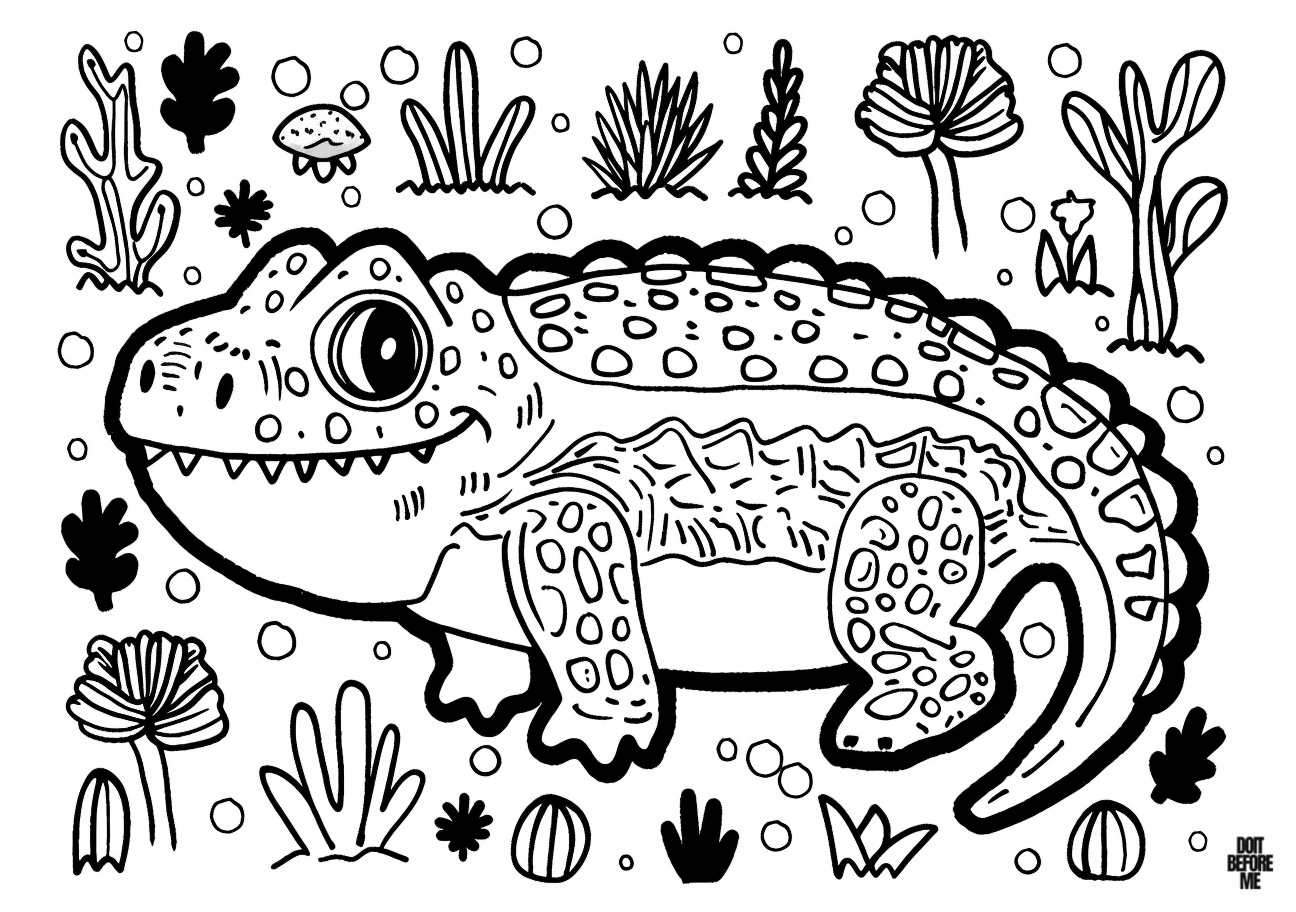
Open full-size crocodile and alligator coloring sheet 28
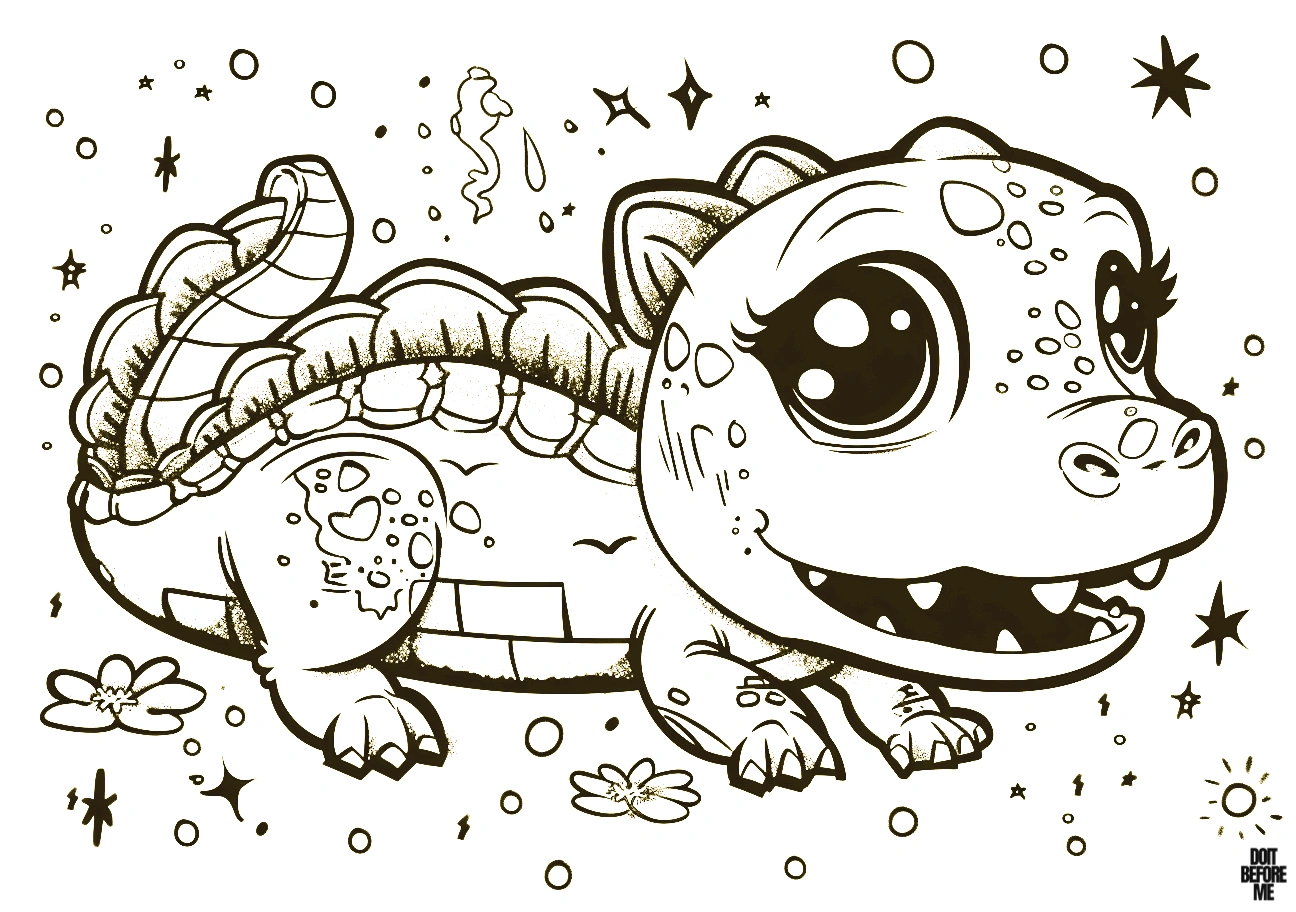
Open full-size crocodile and alligator coloring sheet 29
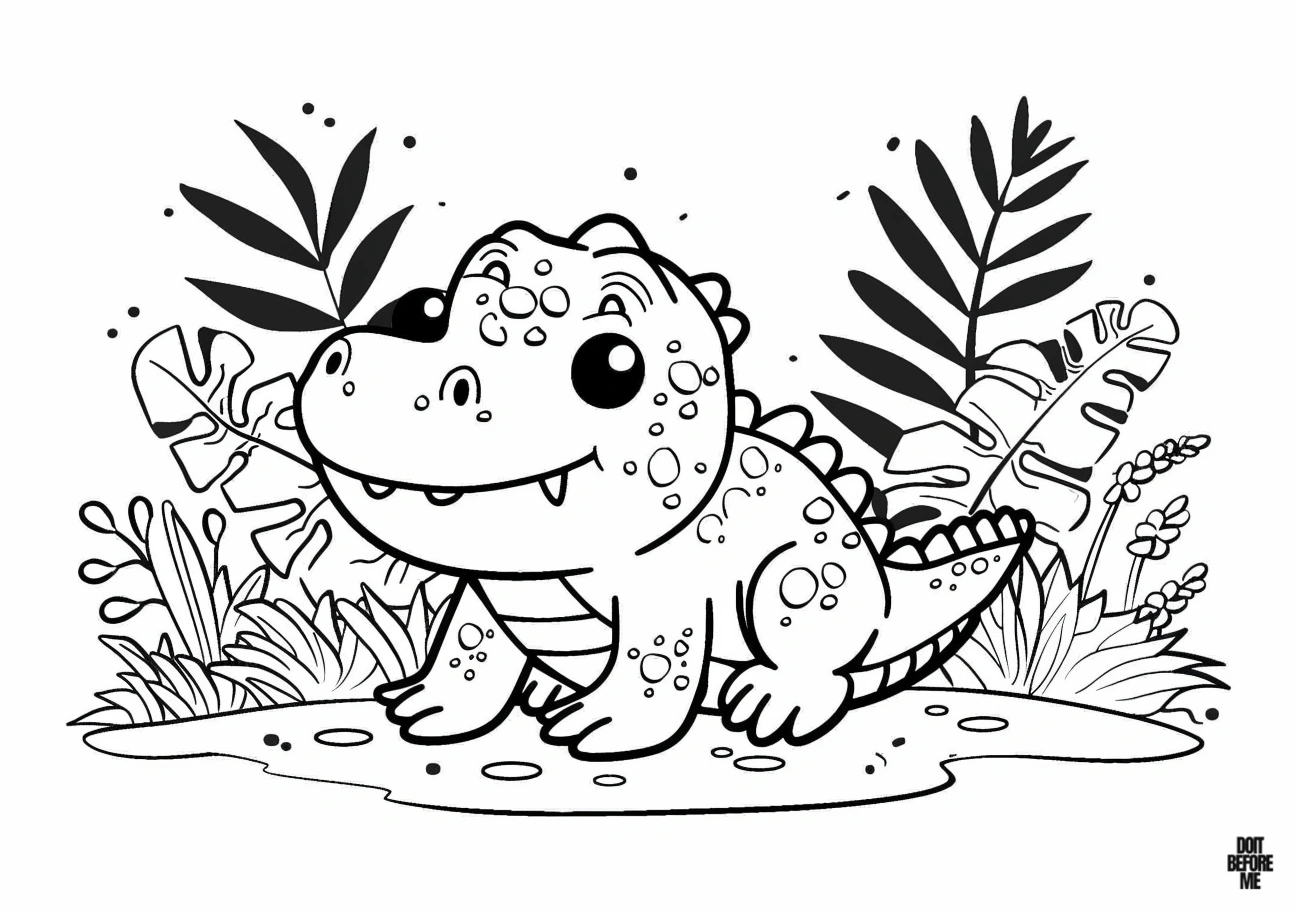
Open full-size crocodile and alligator coloring sheet 30
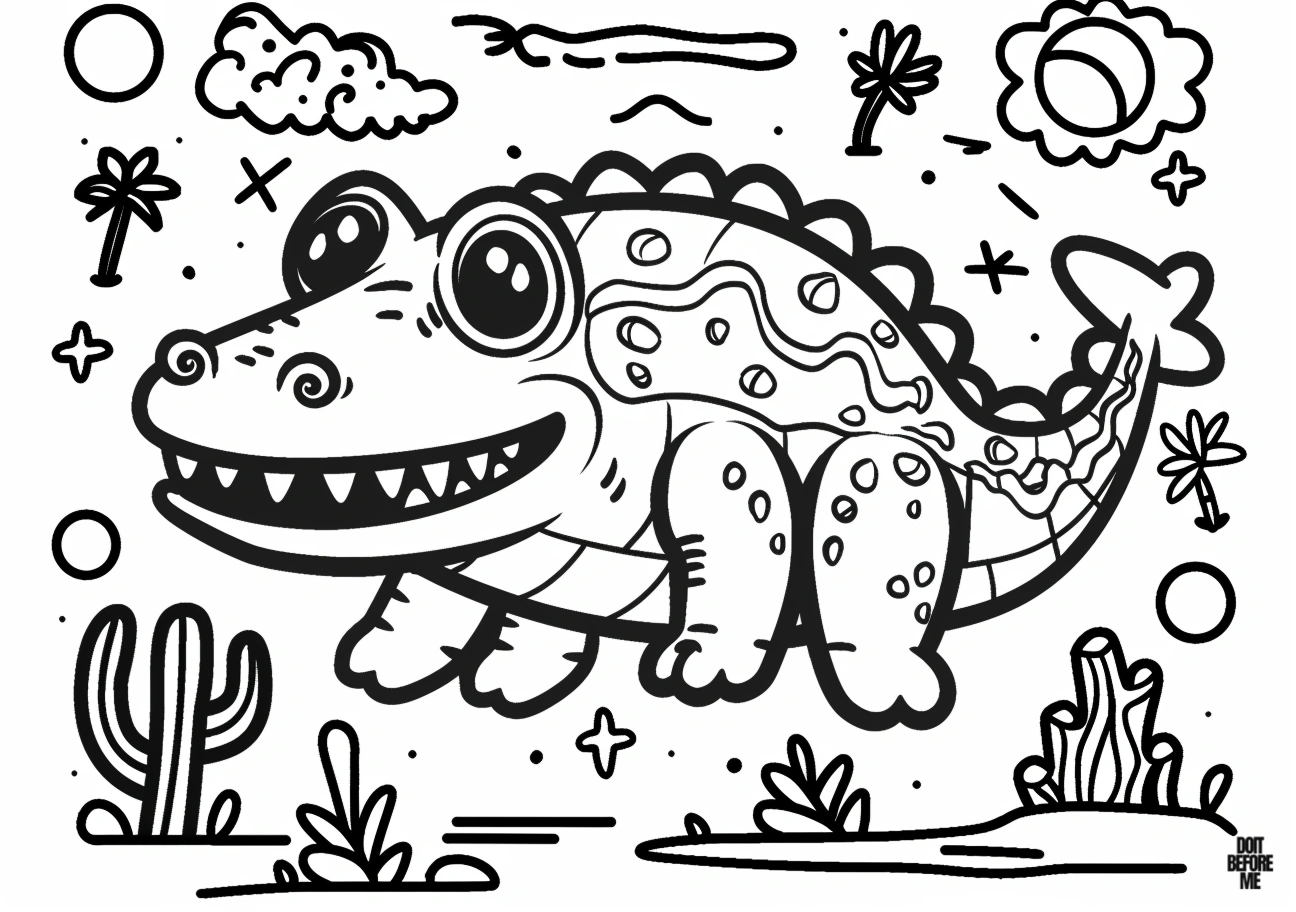
Open full-size crocodile and alligator coloring sheet 31
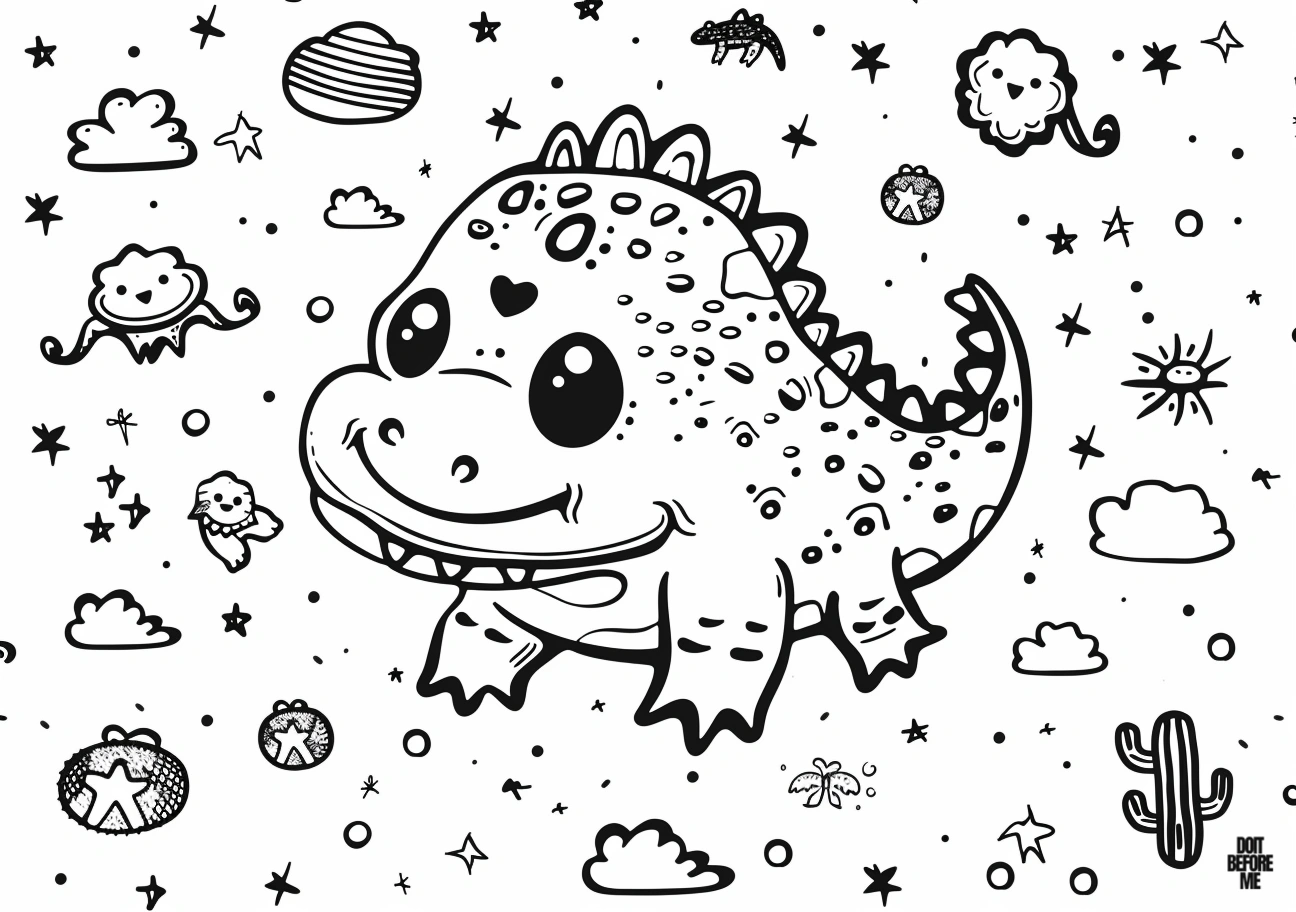
Open full-size crocodile and alligator coloring sheet 32
Less-cartoonish crocodile and alligator page — Sheet 33
Use softer pencil pressure here and keep the belly lighter than the back. Shade the larger body planes first—jaw, shoulder, belly, legs and tail—instead of darkening every scale line.
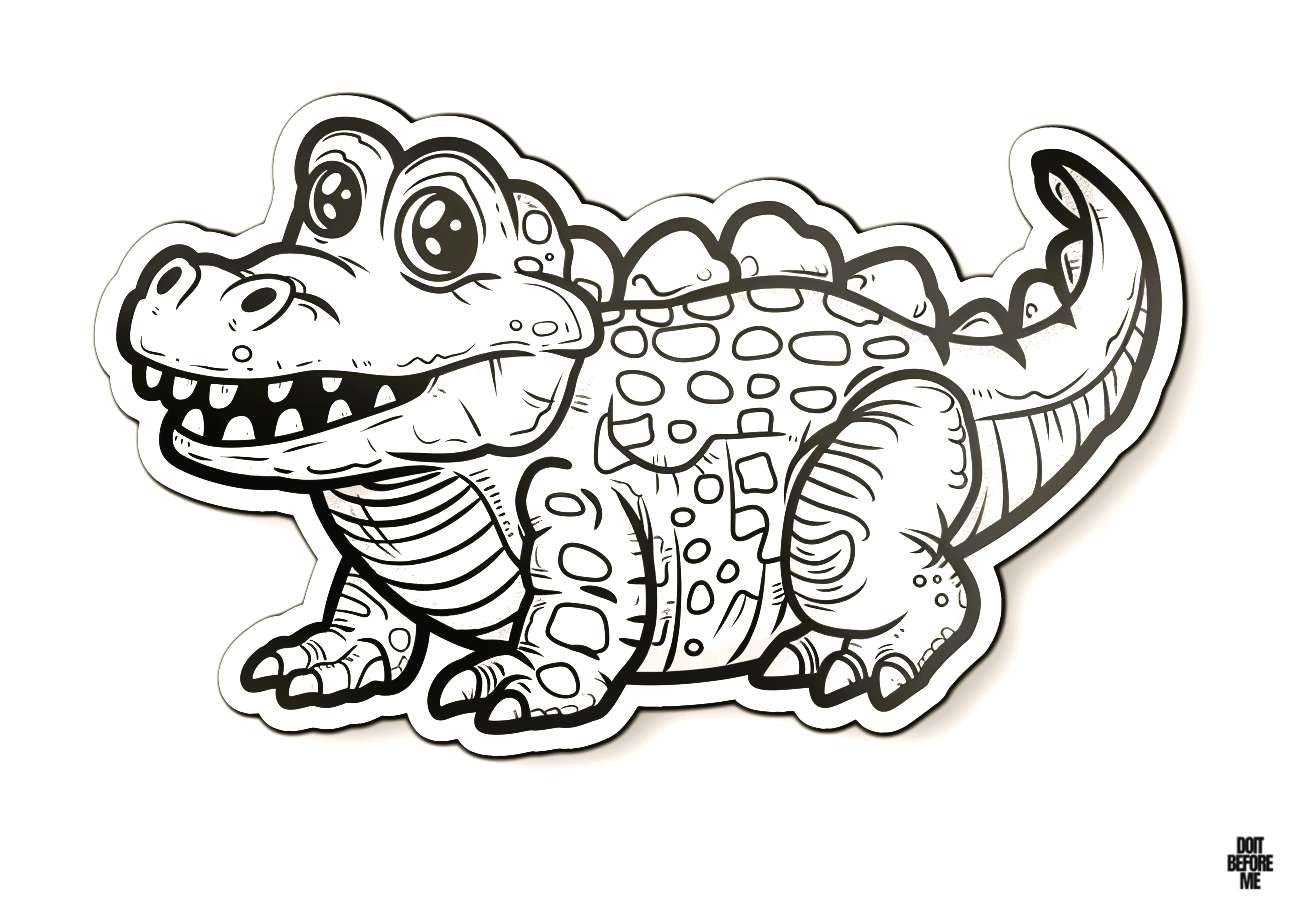
Open full-size crocodile and alligator coloring sheet 33
Crocodile and alligator coloring questions
Which pages are easiest for preschoolers?
Sheets 1–16 are the simplest part of the collection. The animals are large, the backgrounds are light and crayons work comfortably.
Do crocodiles and alligators have to be green?
No. Olive, gray-green and brown work for a natural-looking page, but the cartoon designs can be any color. A bright body color can actually make a simple page more fun to finish.
How do I color scales without spending forever on them?
Shade groups of scales rather than each one separately. Darken a few rows along the back, tail and leg joints and leave the rest lighter. Your eye will read the texture without every scale needing individual attention.
Which pages are better for older kids or adults?
Sheets 26–32 take longer because the backgrounds add more small decisions. If you want the least-cartoonish drawing in the set, go straight to Sheet 33.
More animal coloring pages
If you like reptile texture, try the lizard coloring pages next. For easier mixed-animal choices, the easy animal coloring pages are a better fit. If you want a completely different kind of water animal, the cute octopus pages are softer and more rounded, with much less scale detail.

